
/ Art
Photopia
2016 – ongoing
Photopia is a long-term artistic research project exploring post-industrial ruins of the former Eastern Bloc as temporal thresholds between presence and absence, utopia and dystopia. Through analog photographic processes, these concrete phantoms become sites for an archaeology of place and image, where unrealized futures, material traces, and disappearing histories continue to coexist. Photography itself emerges as a kind of non-place—a mutable space in which what has vanished can acquire new forms of presence.
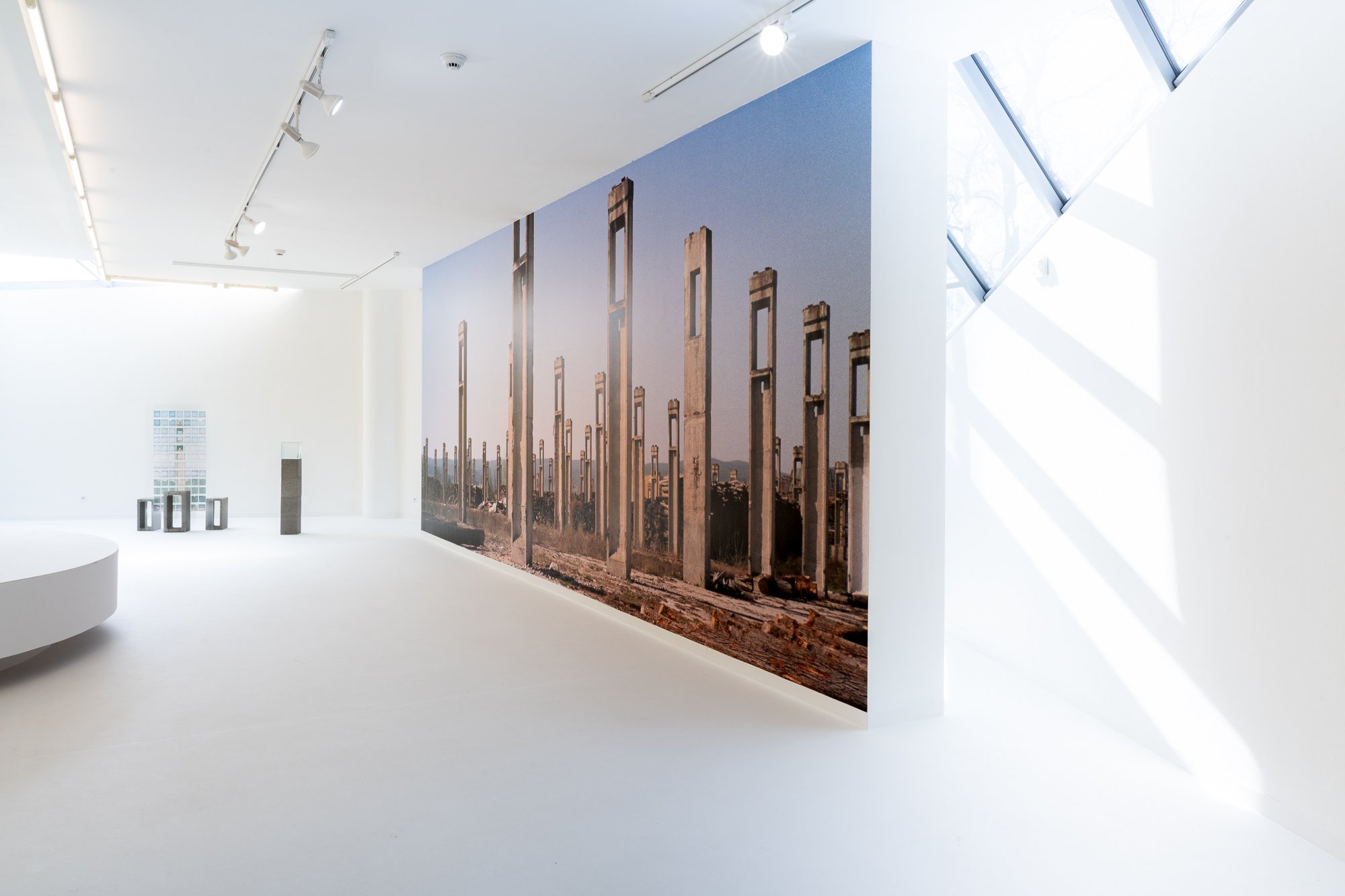
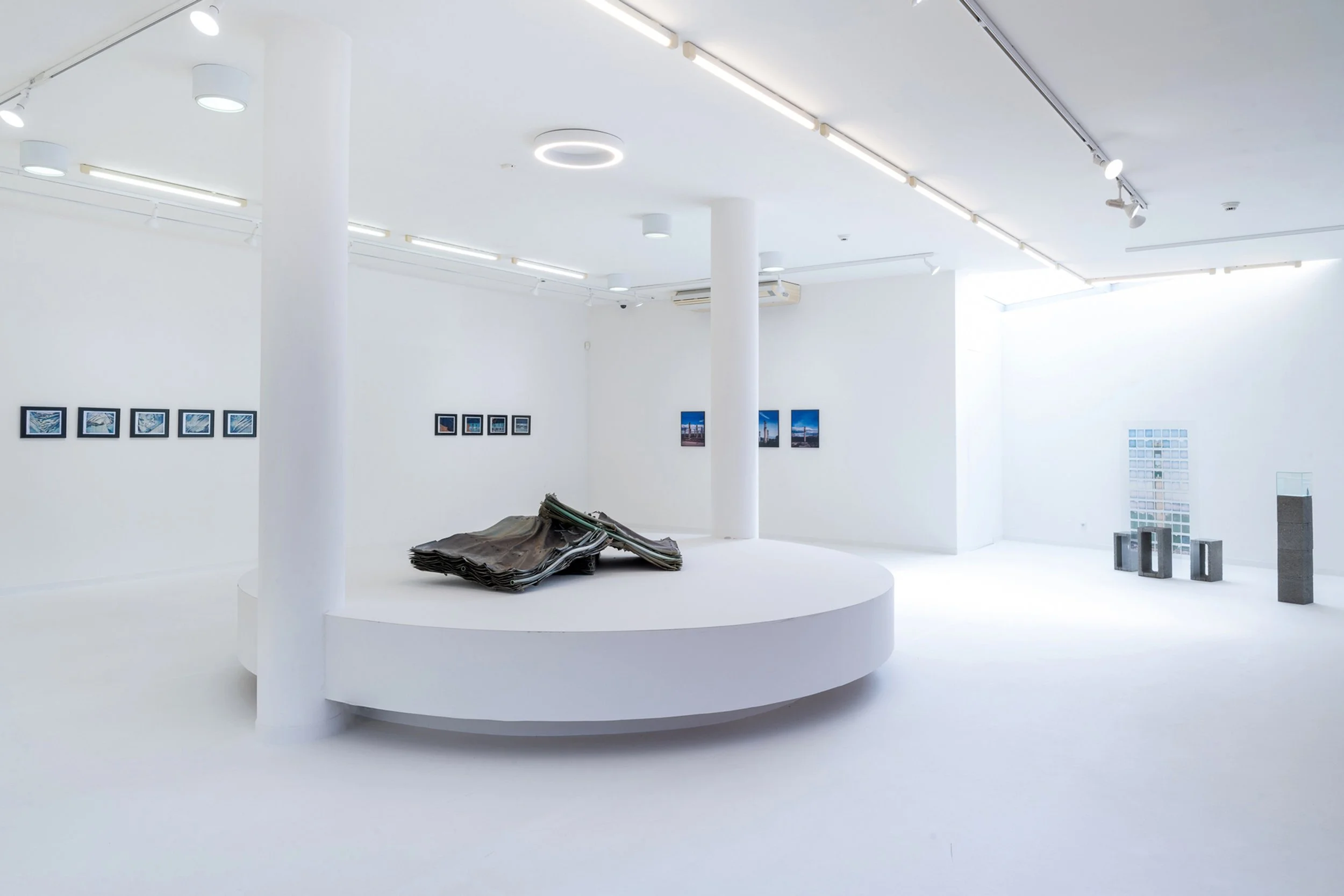
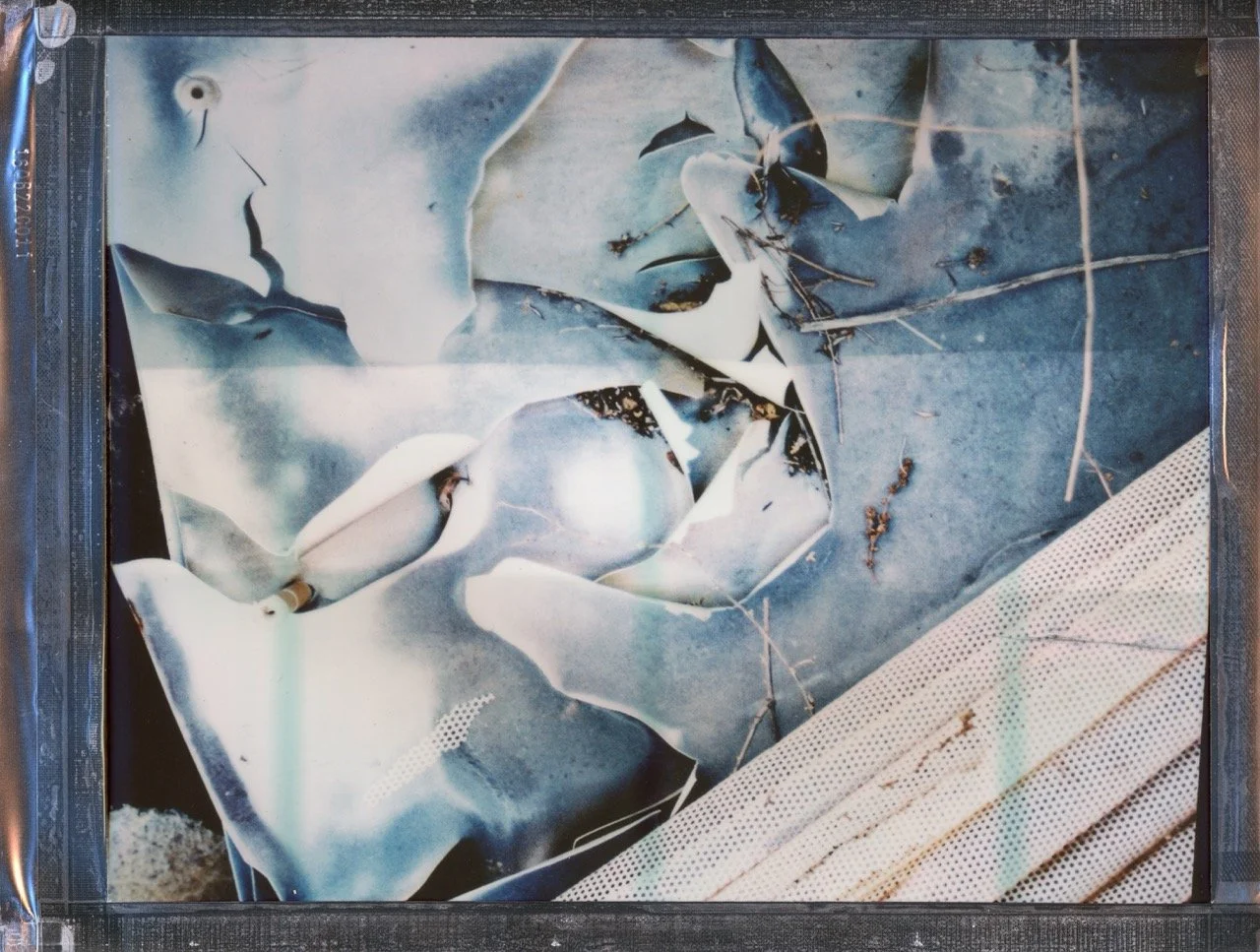
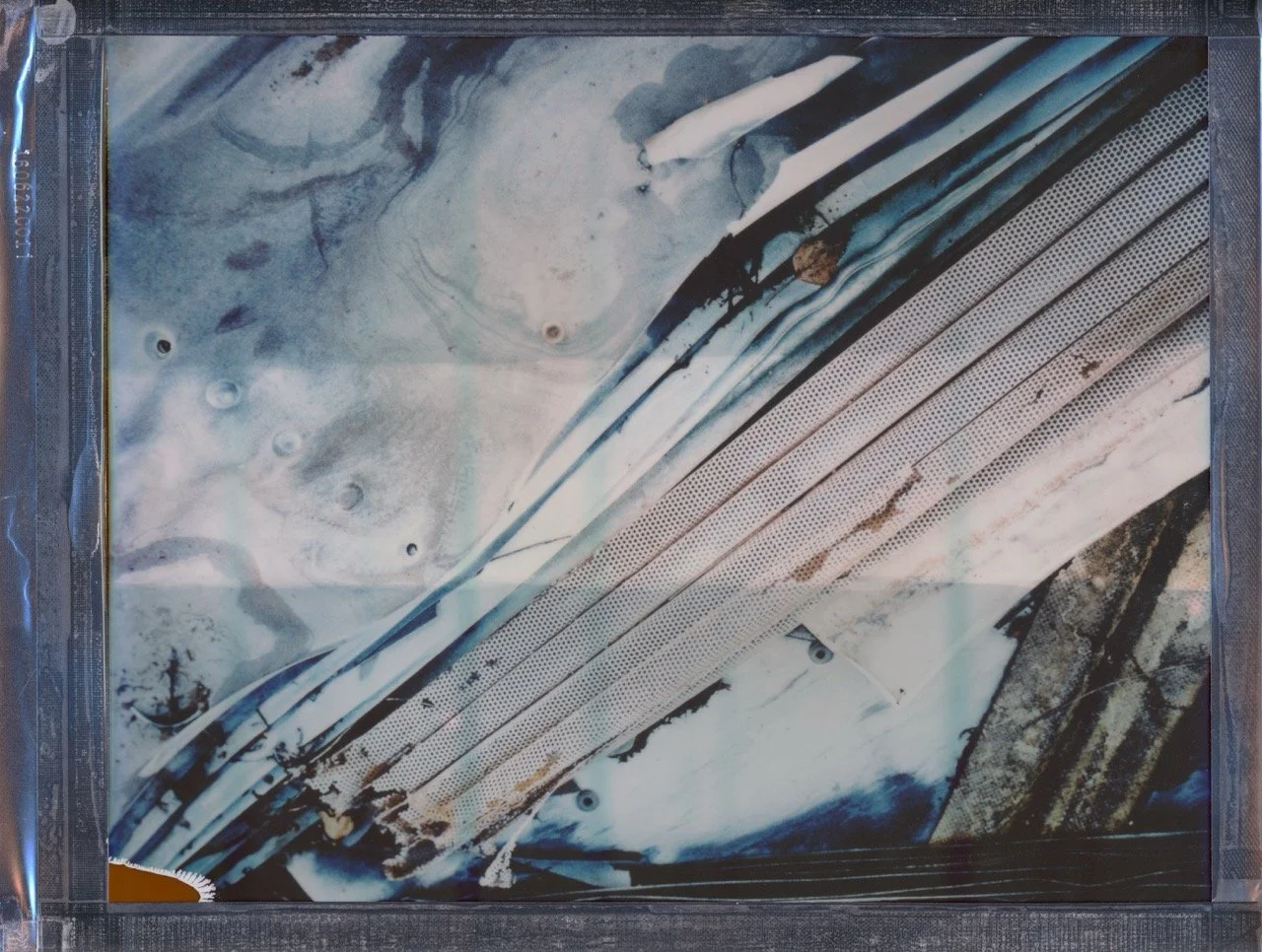
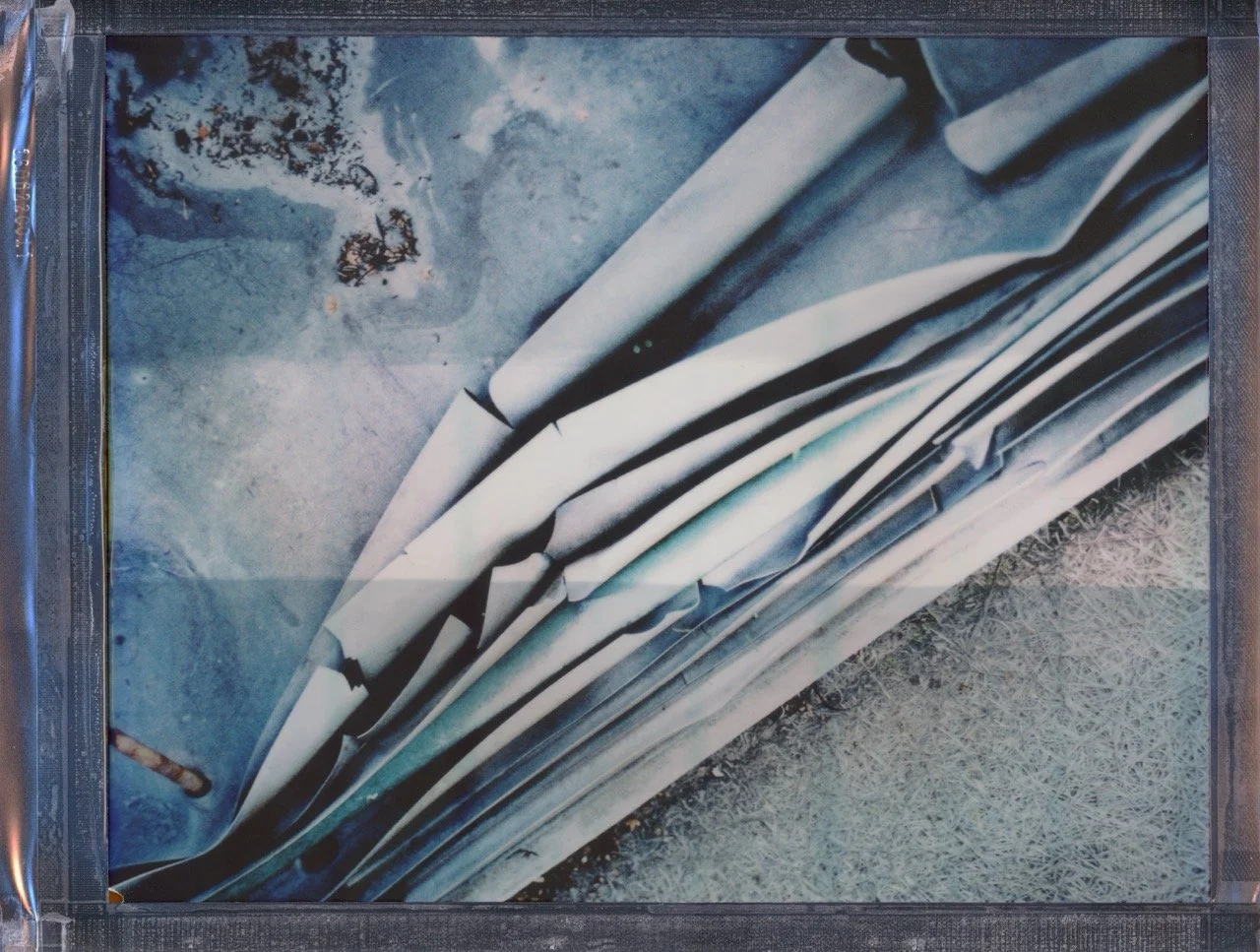
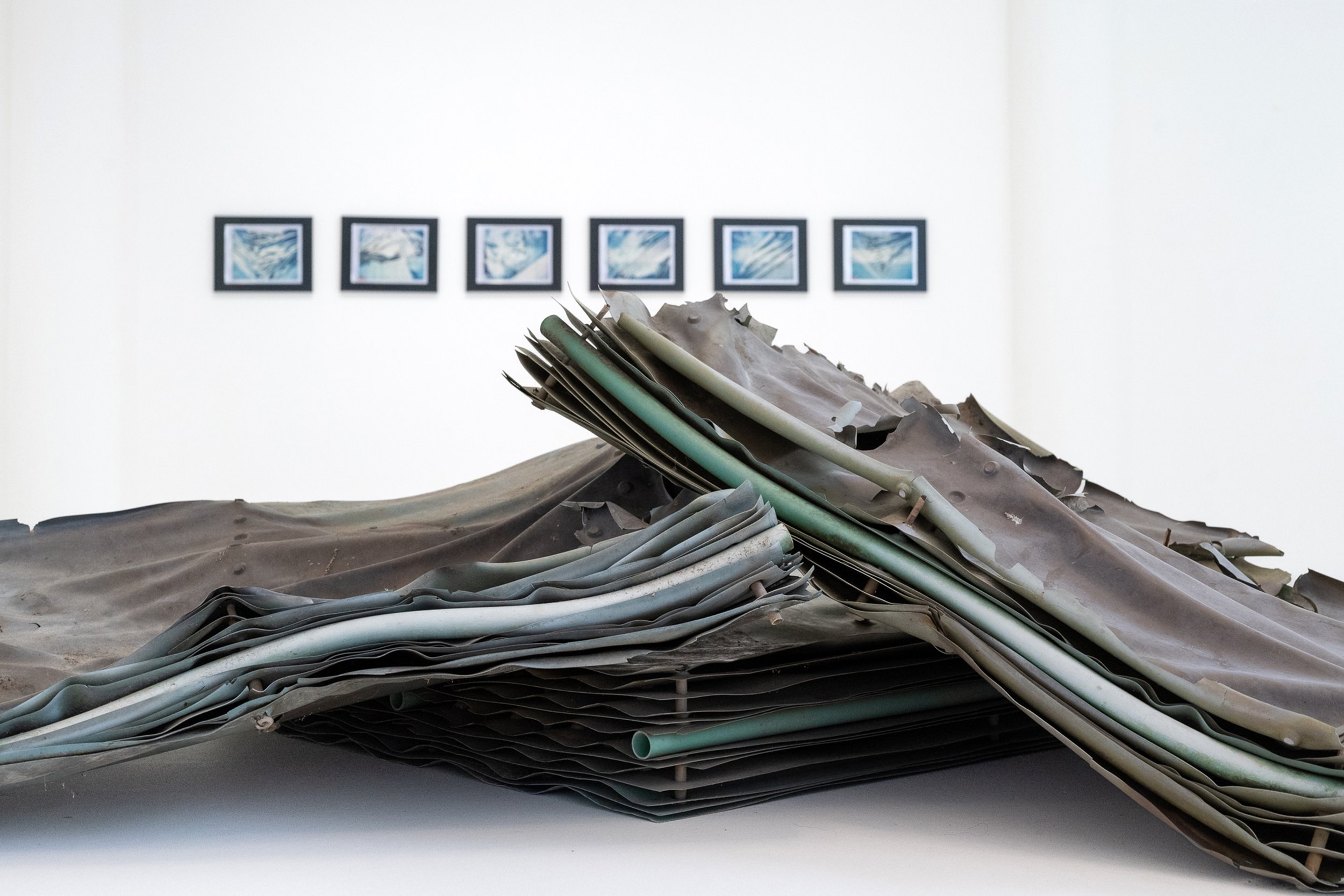
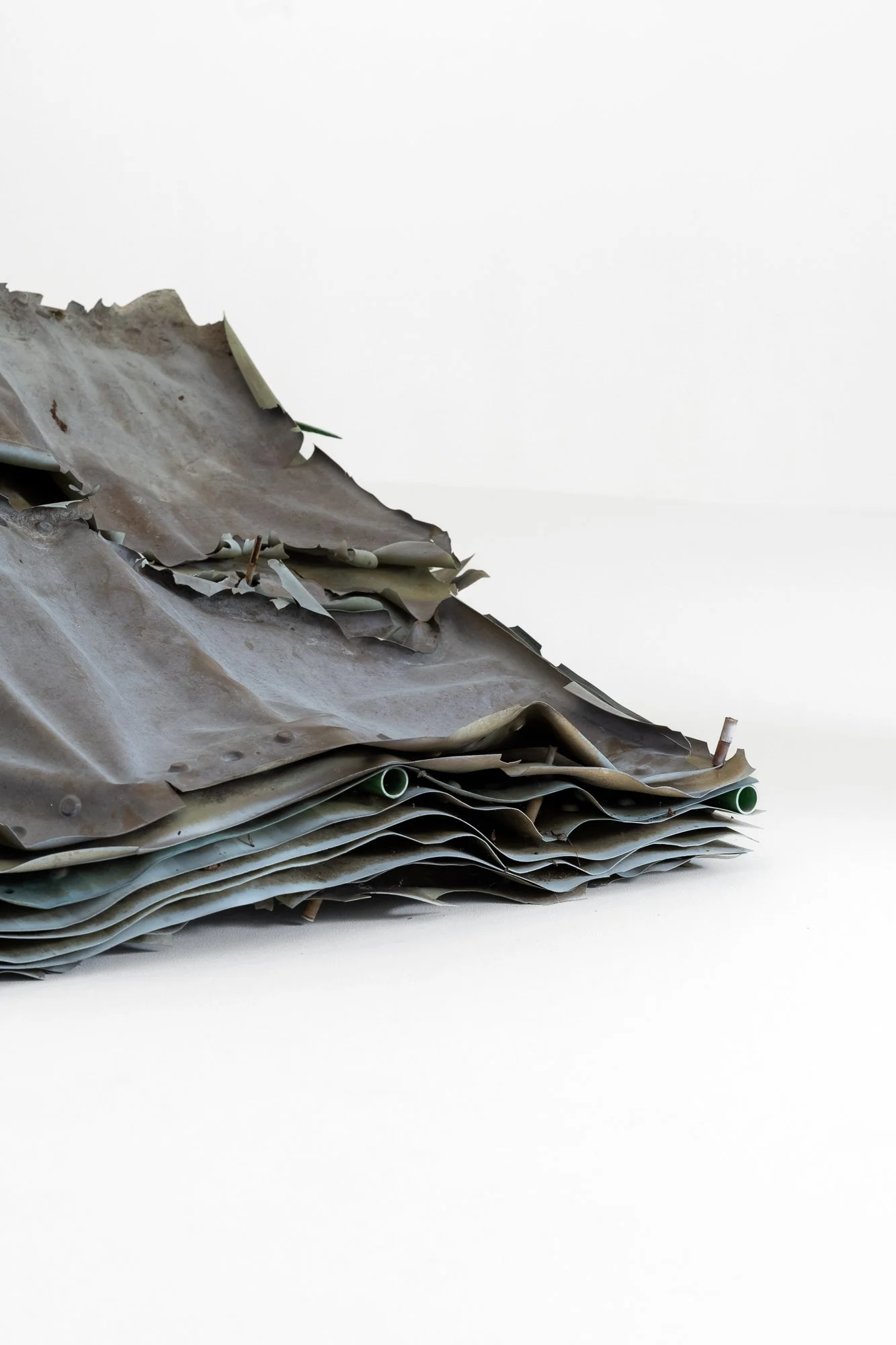
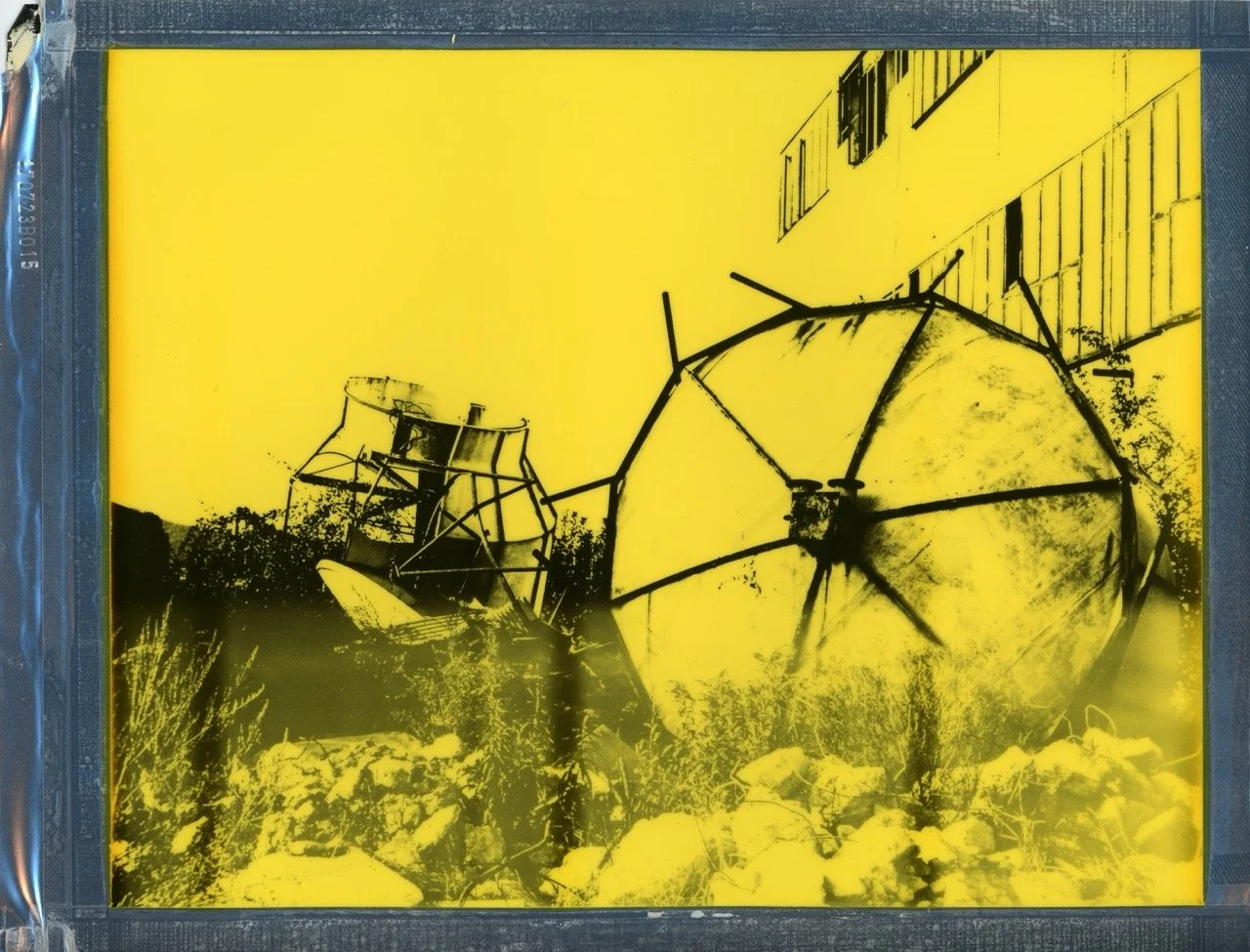
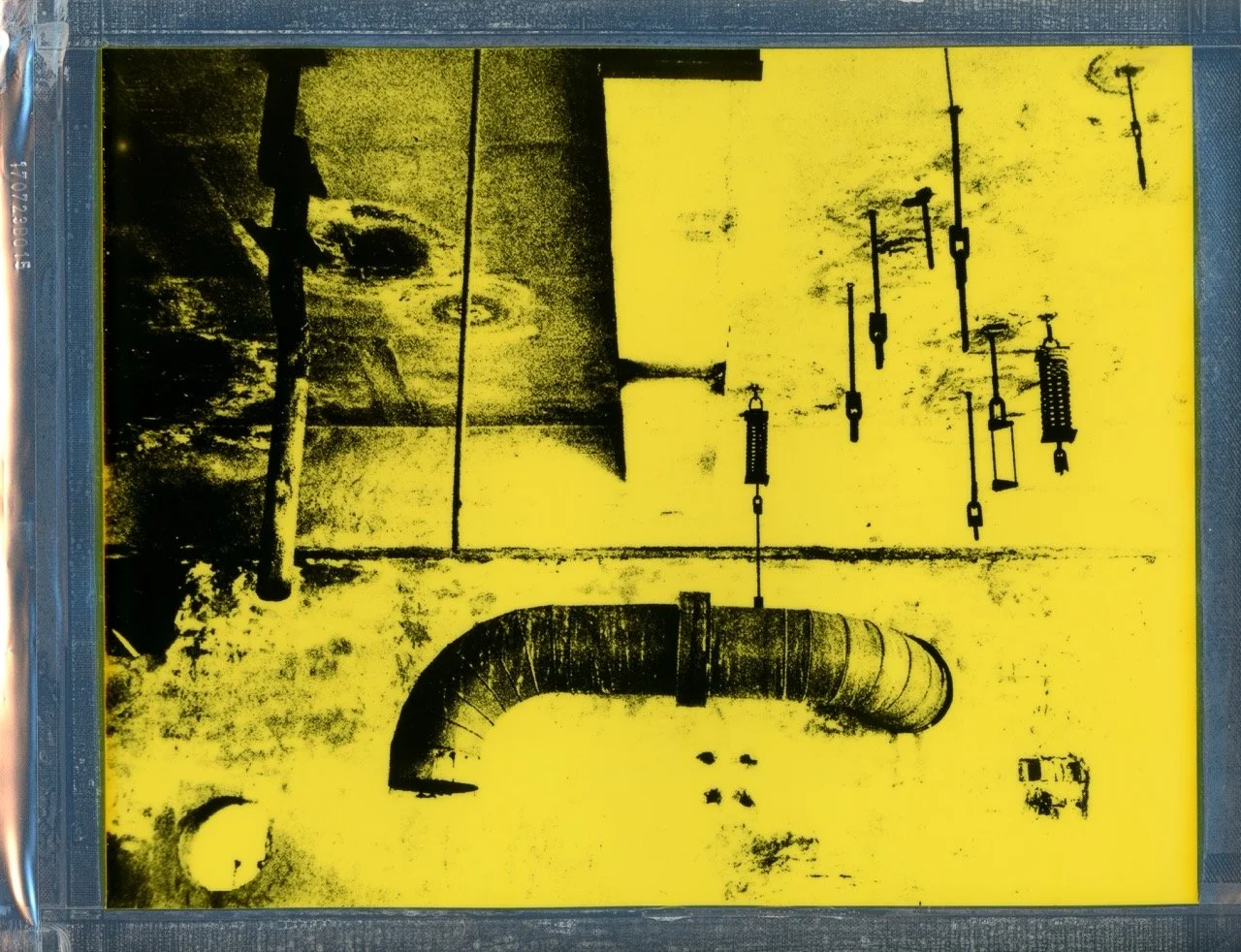
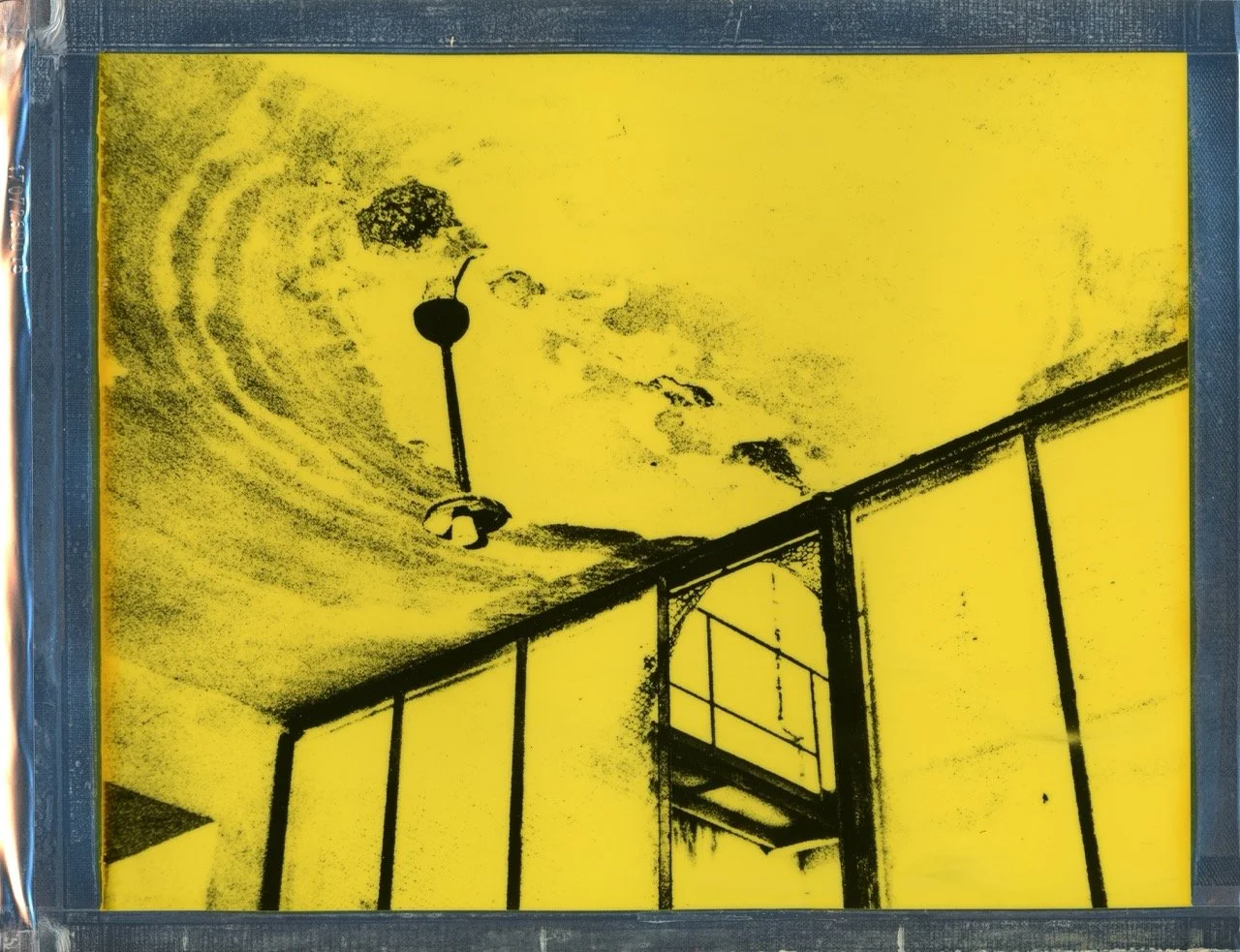
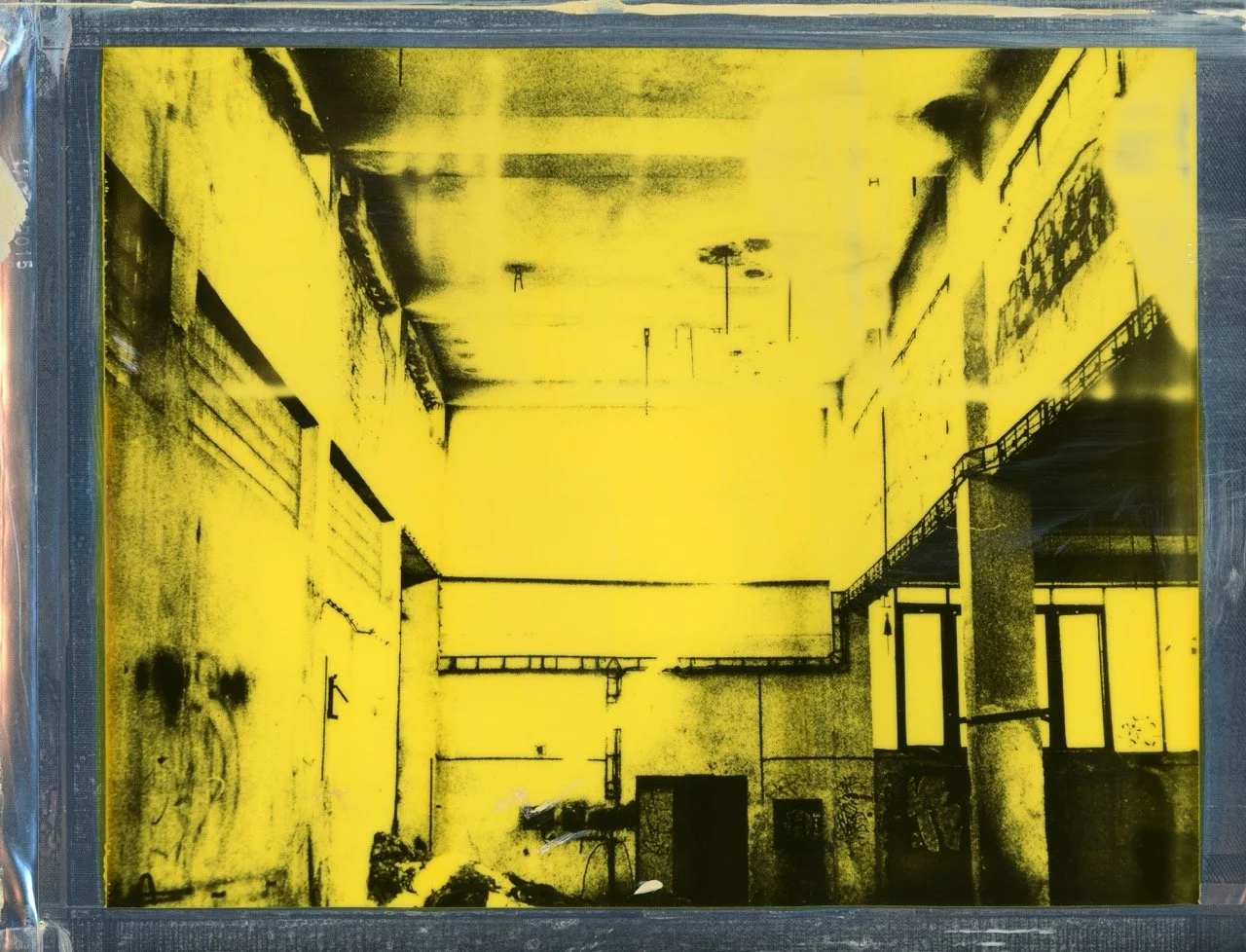
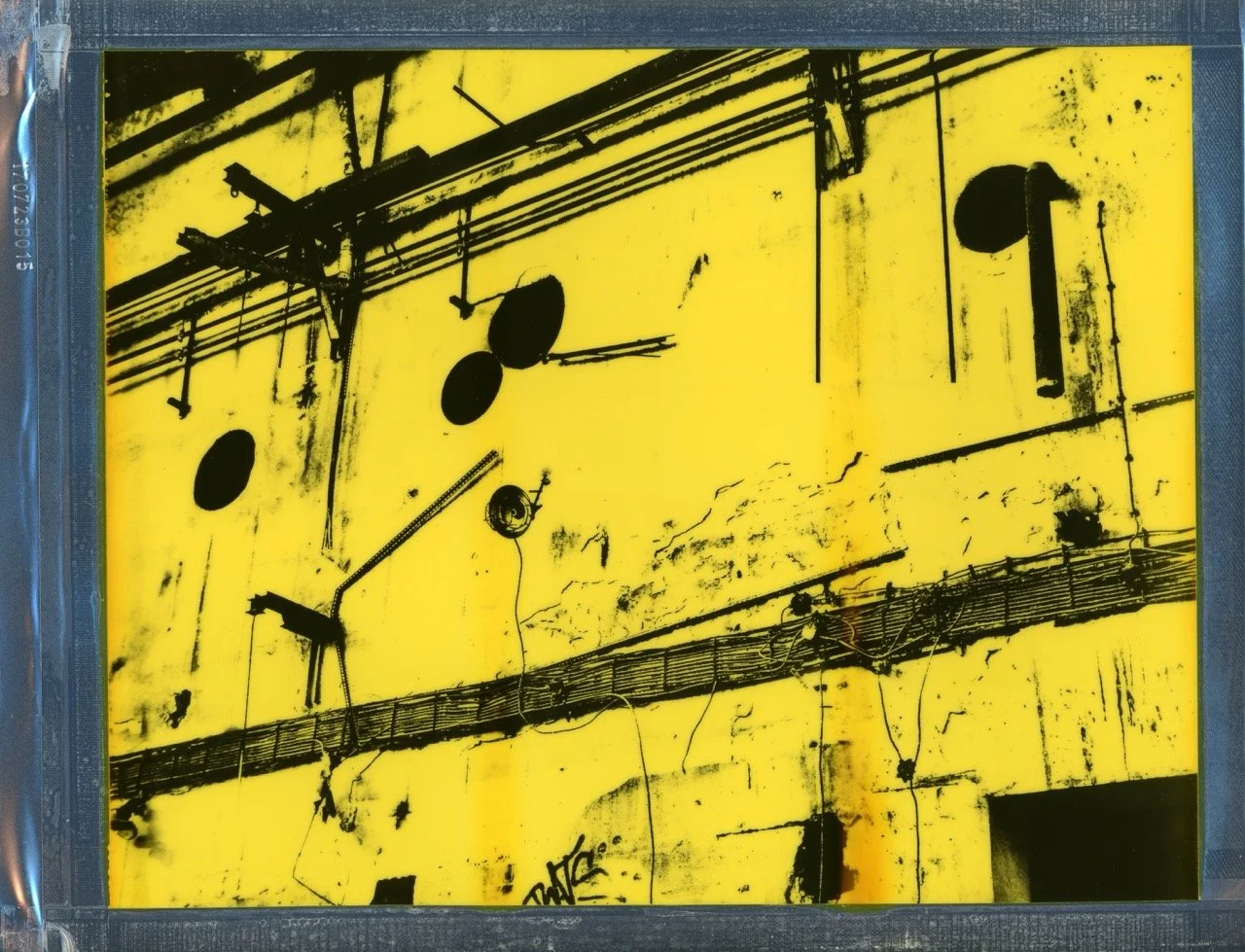
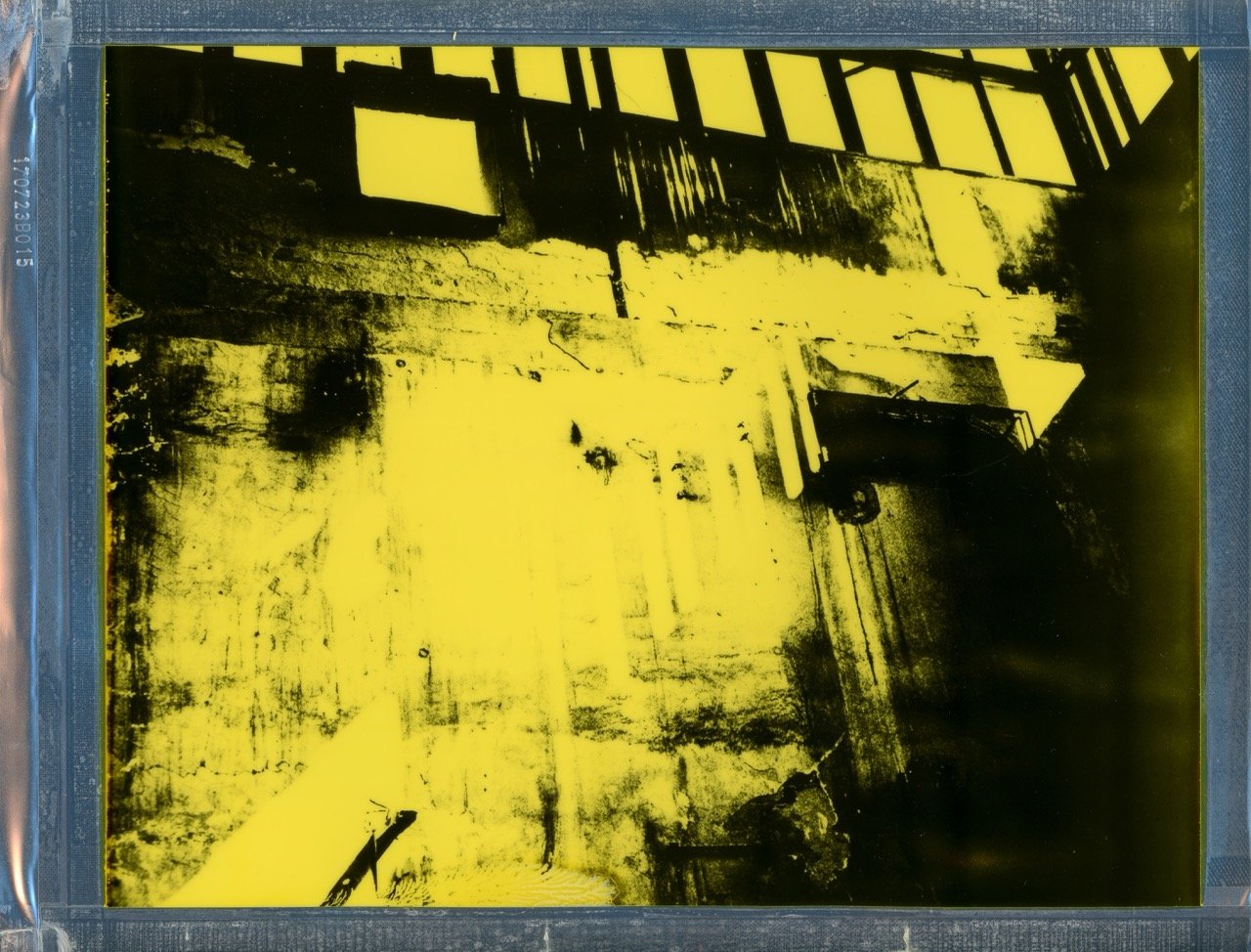
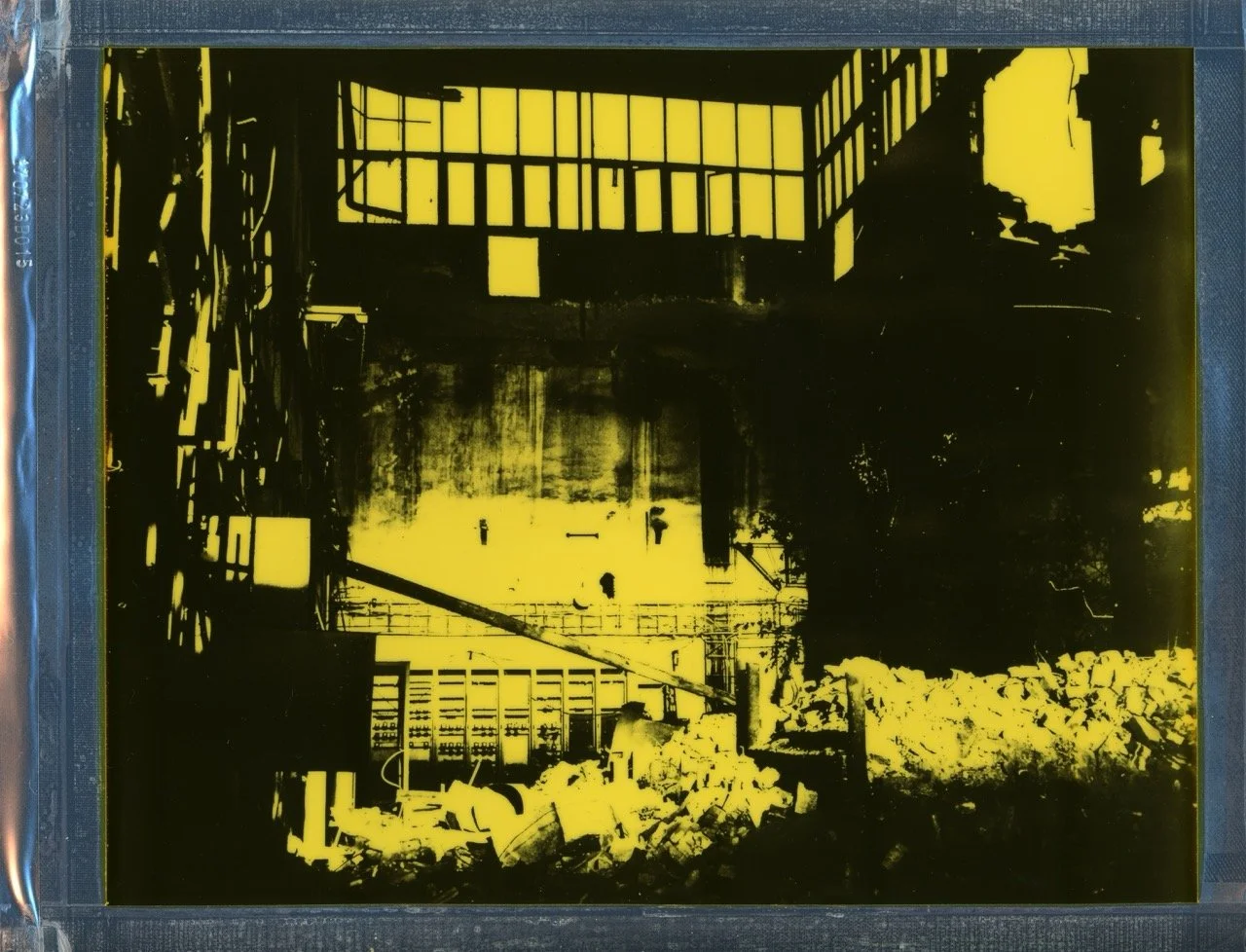
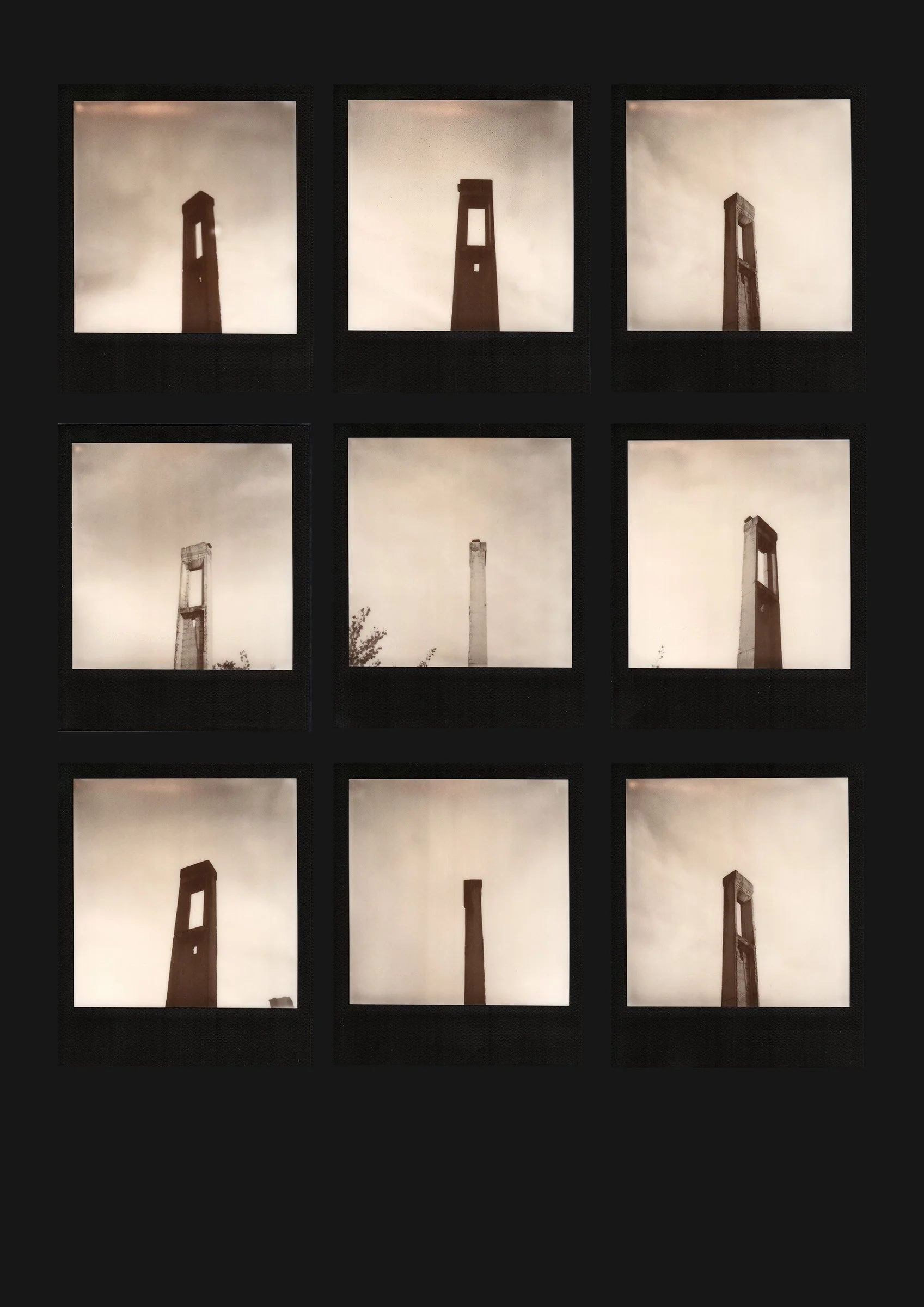
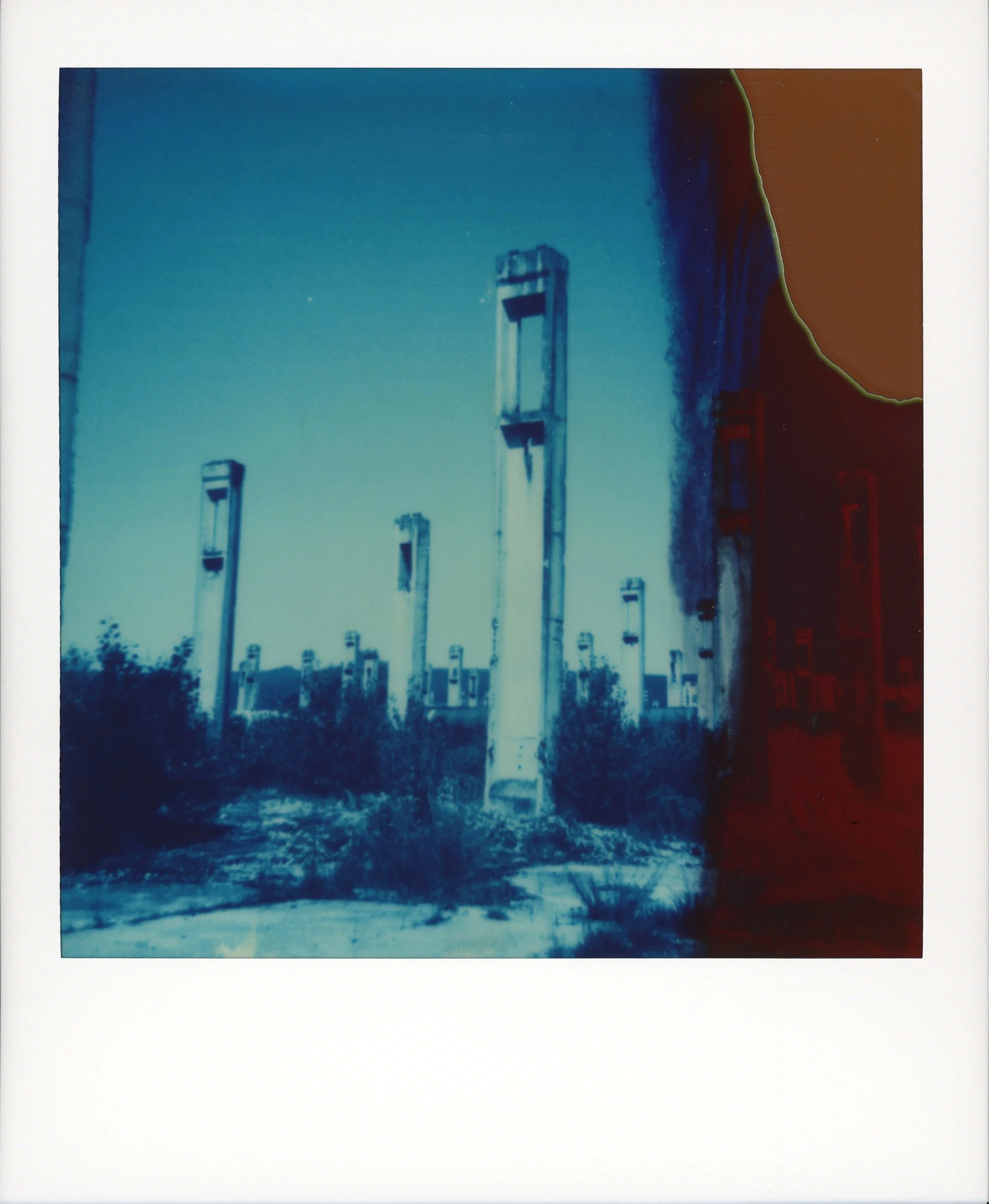
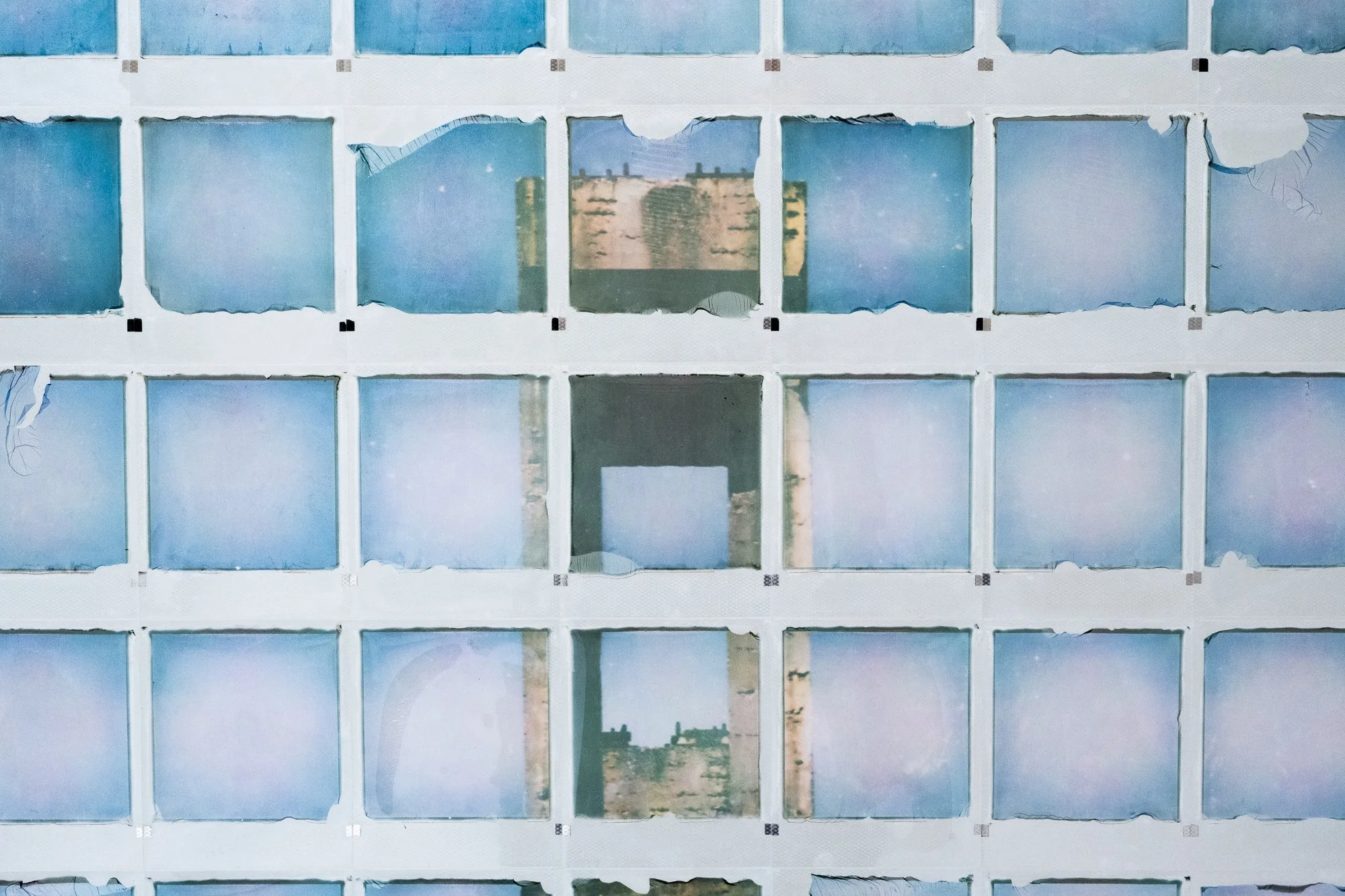
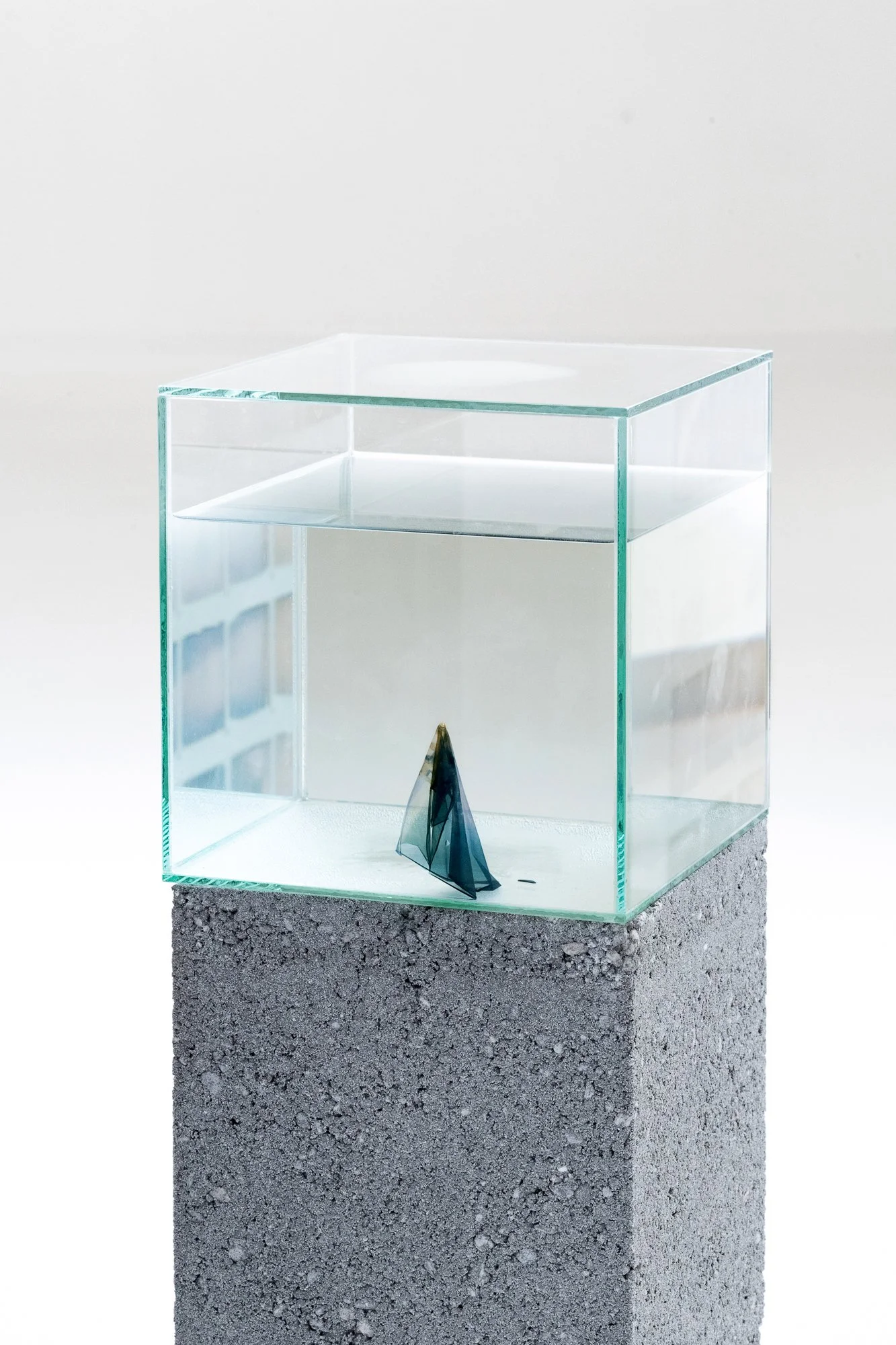
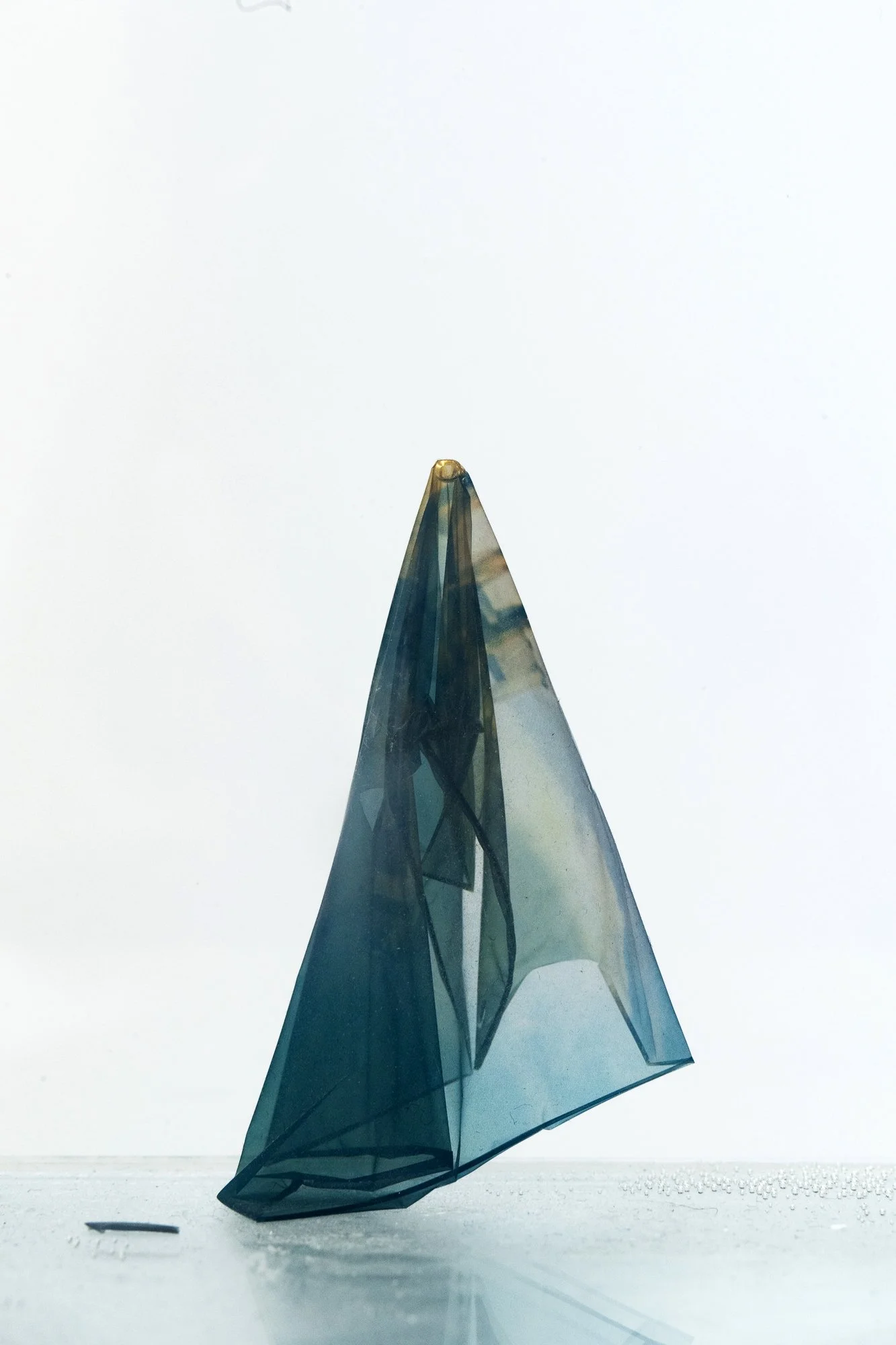
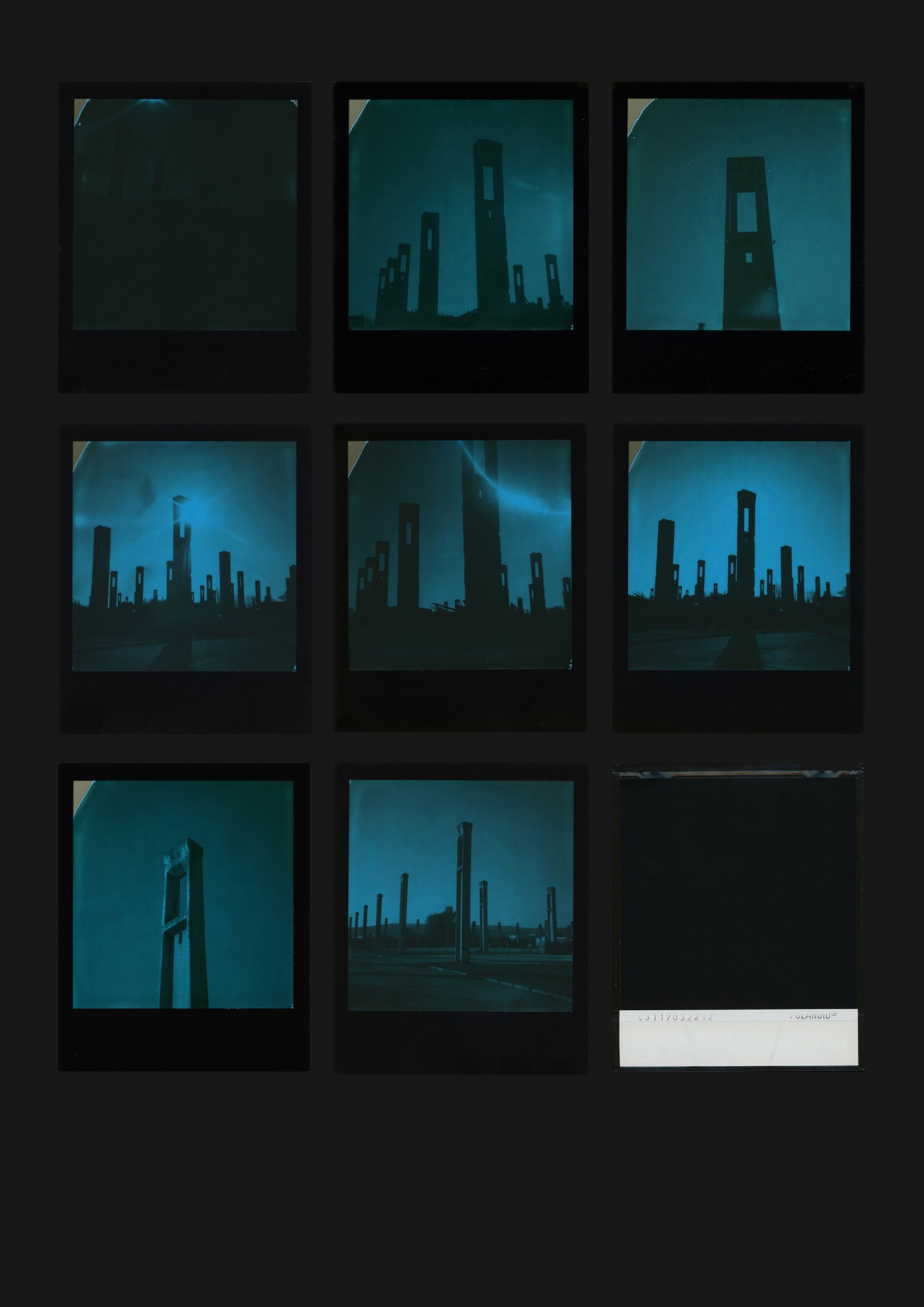
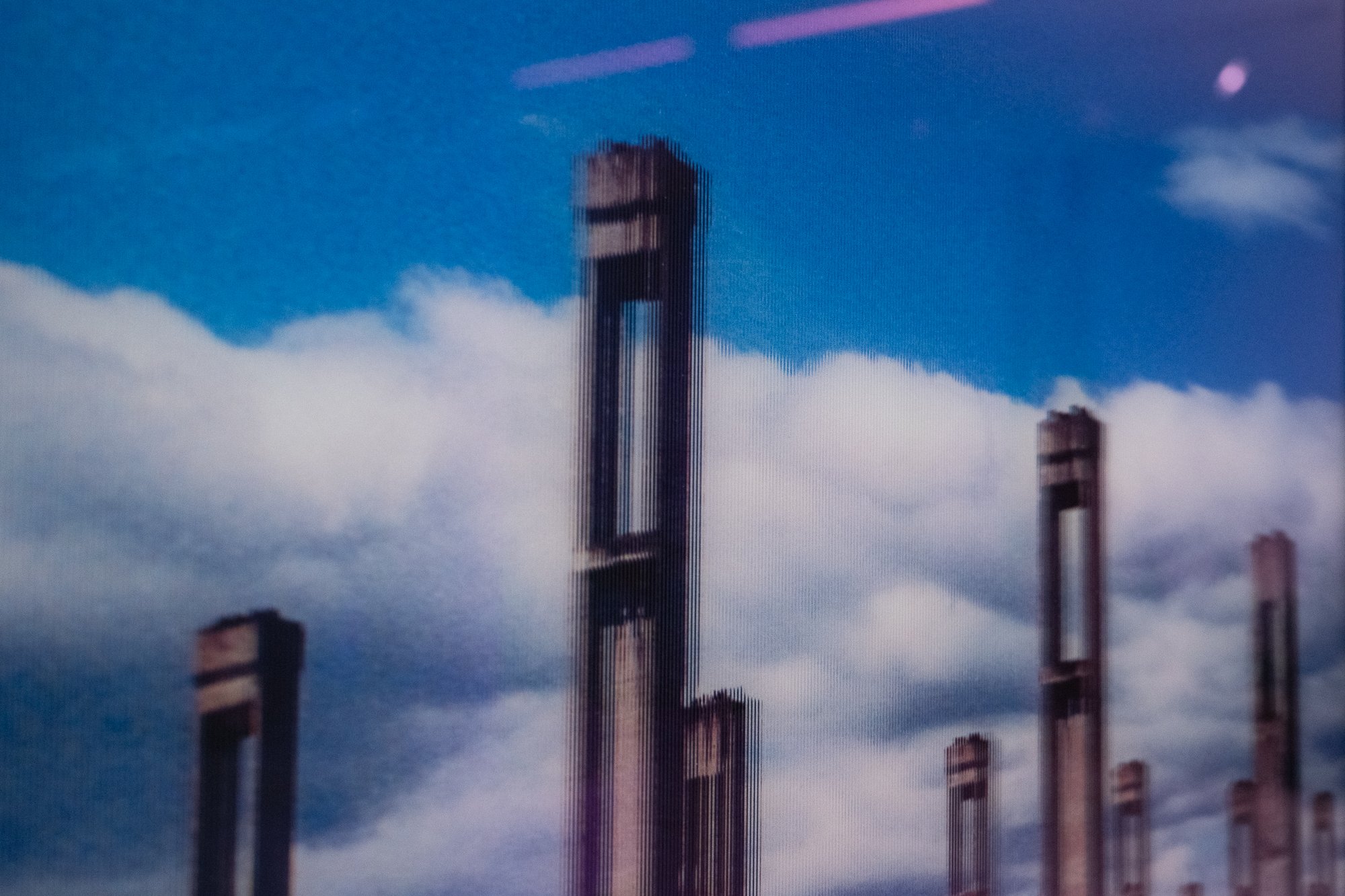
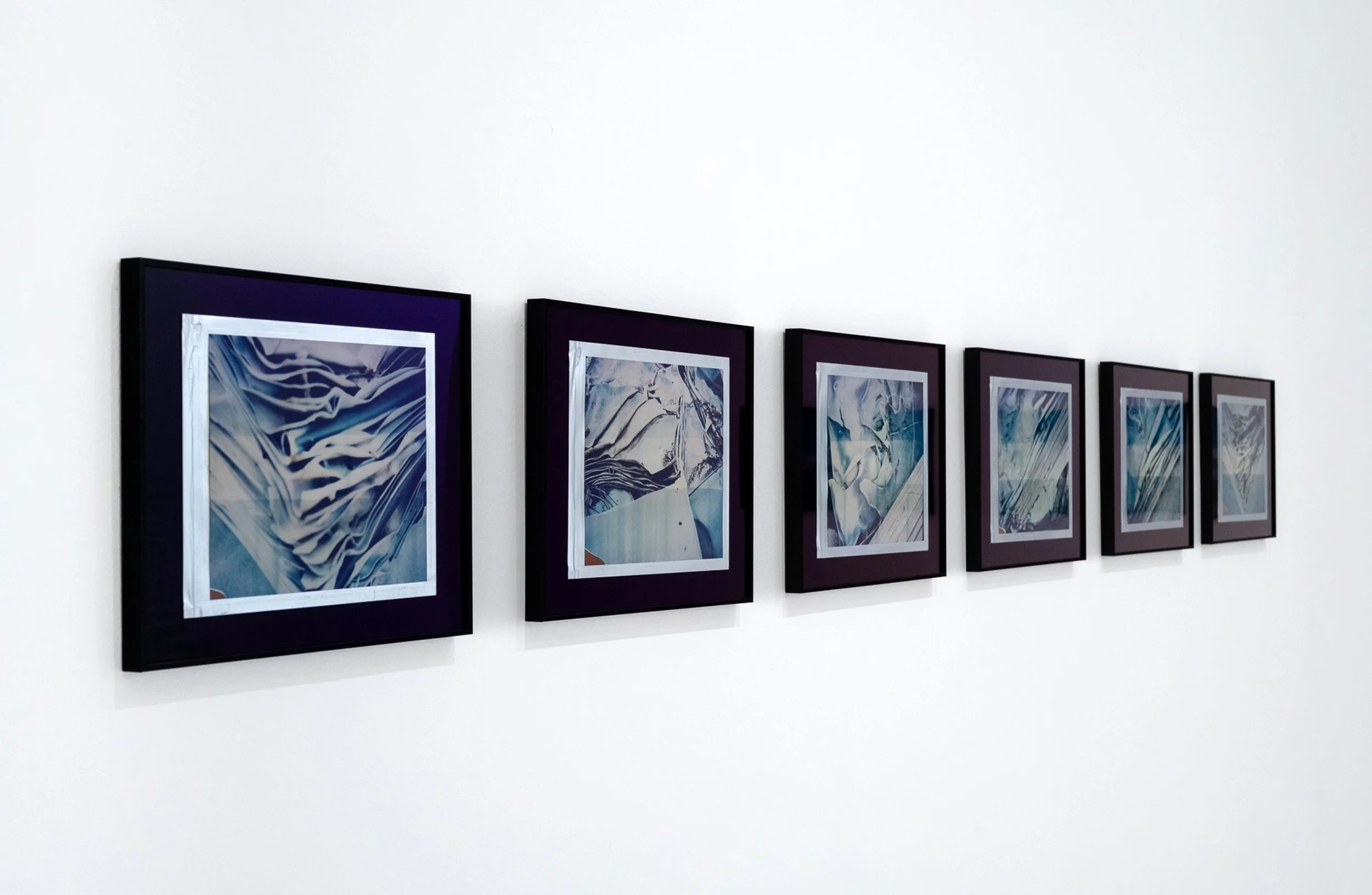
Installation views
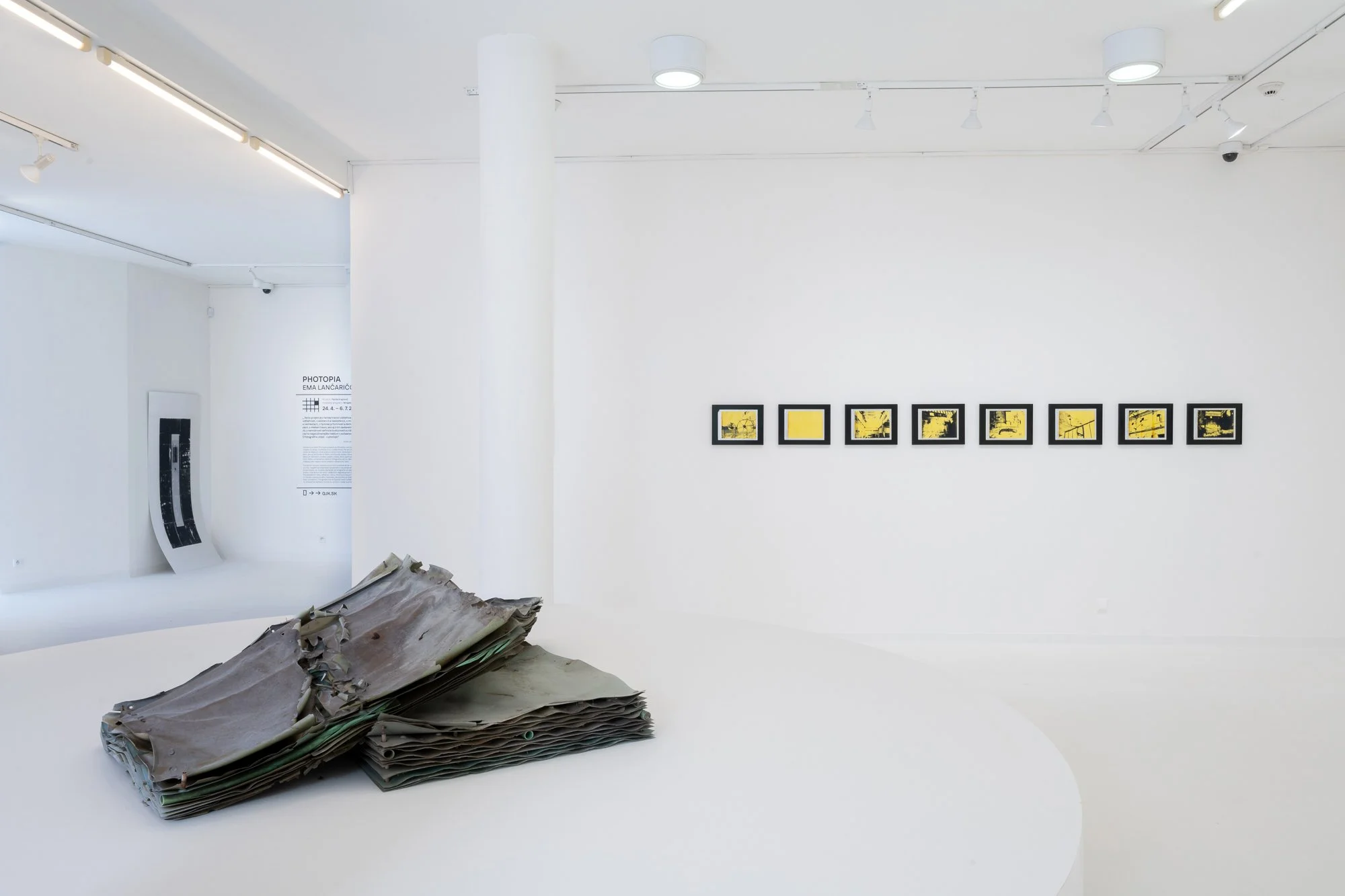
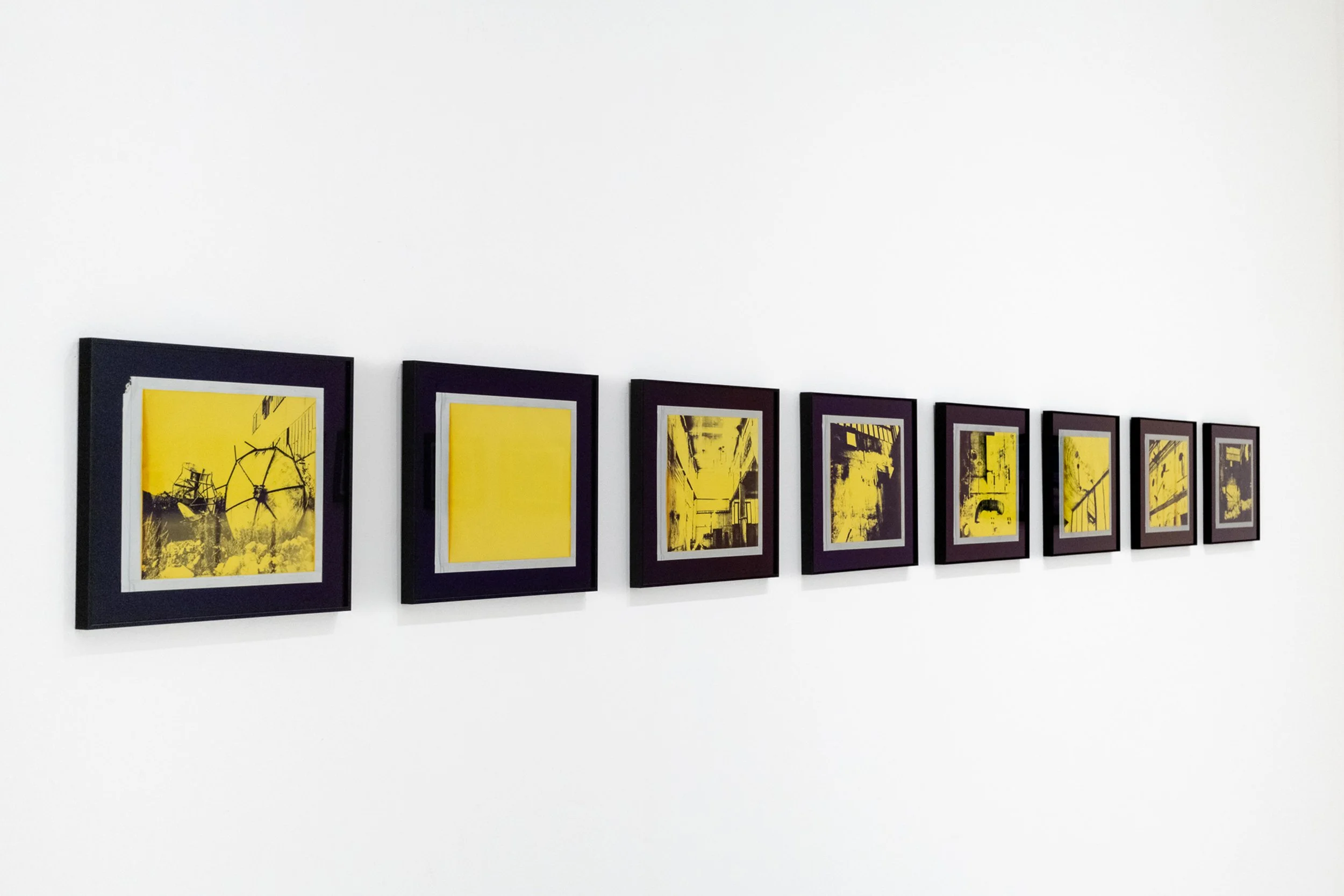
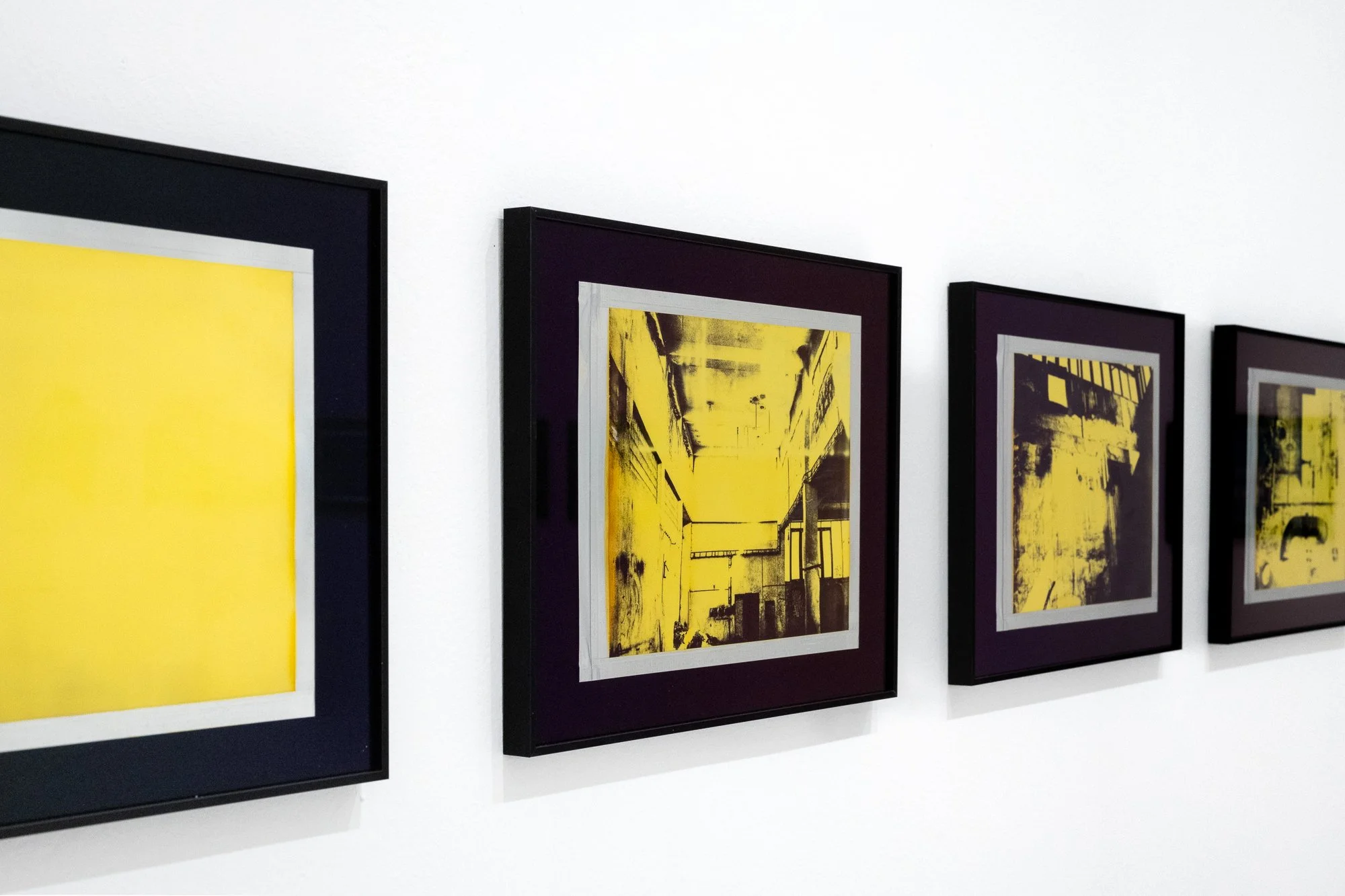
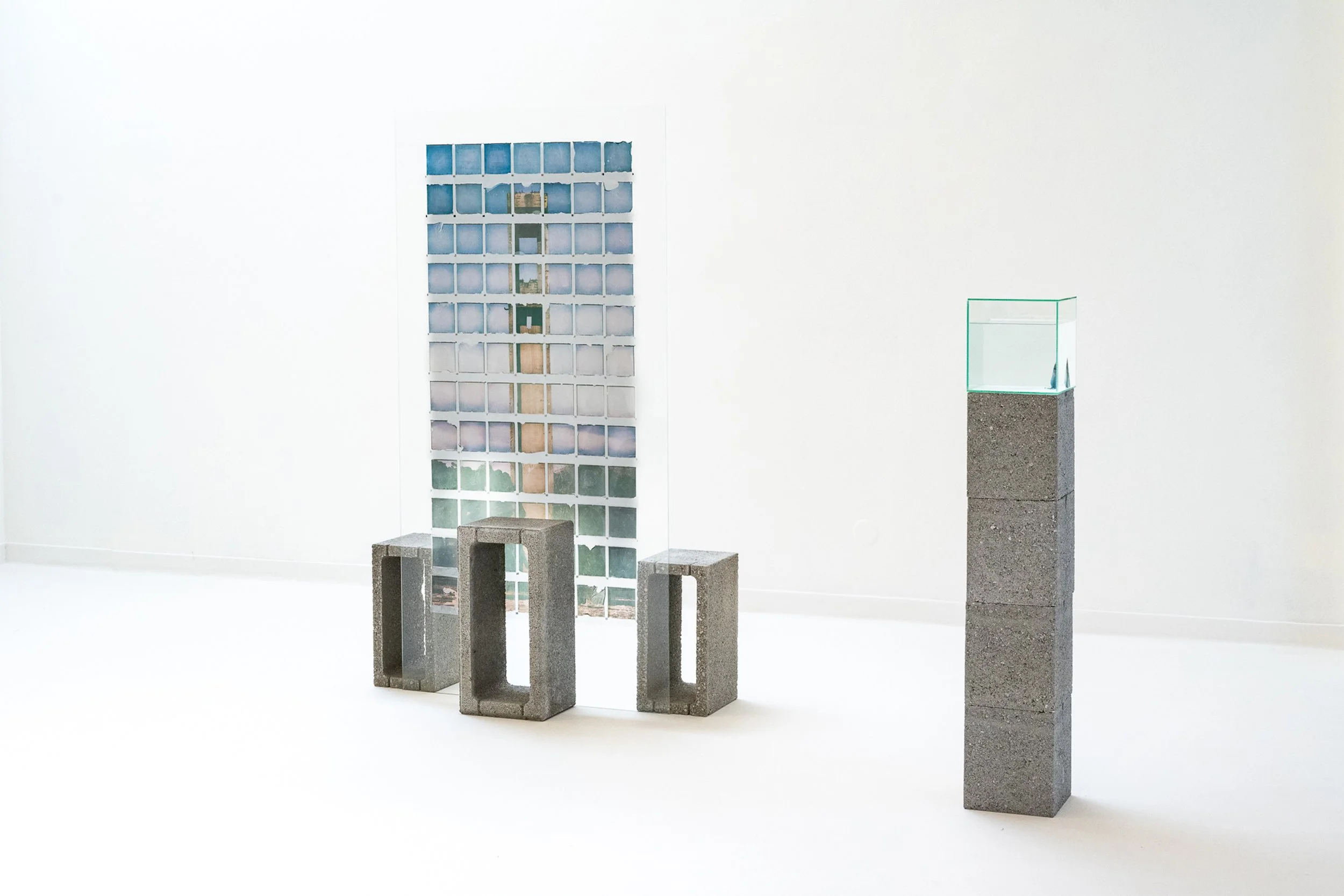
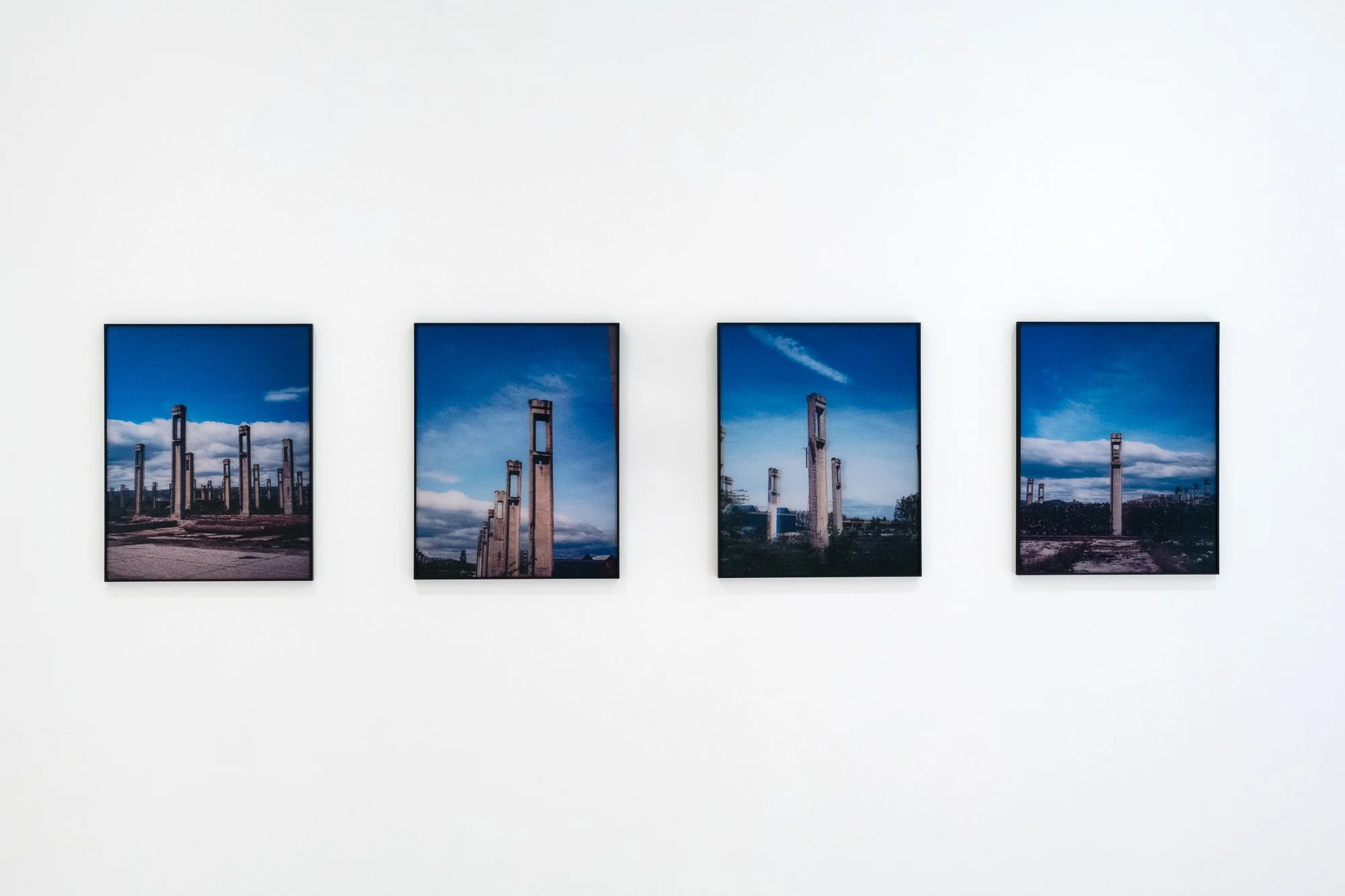
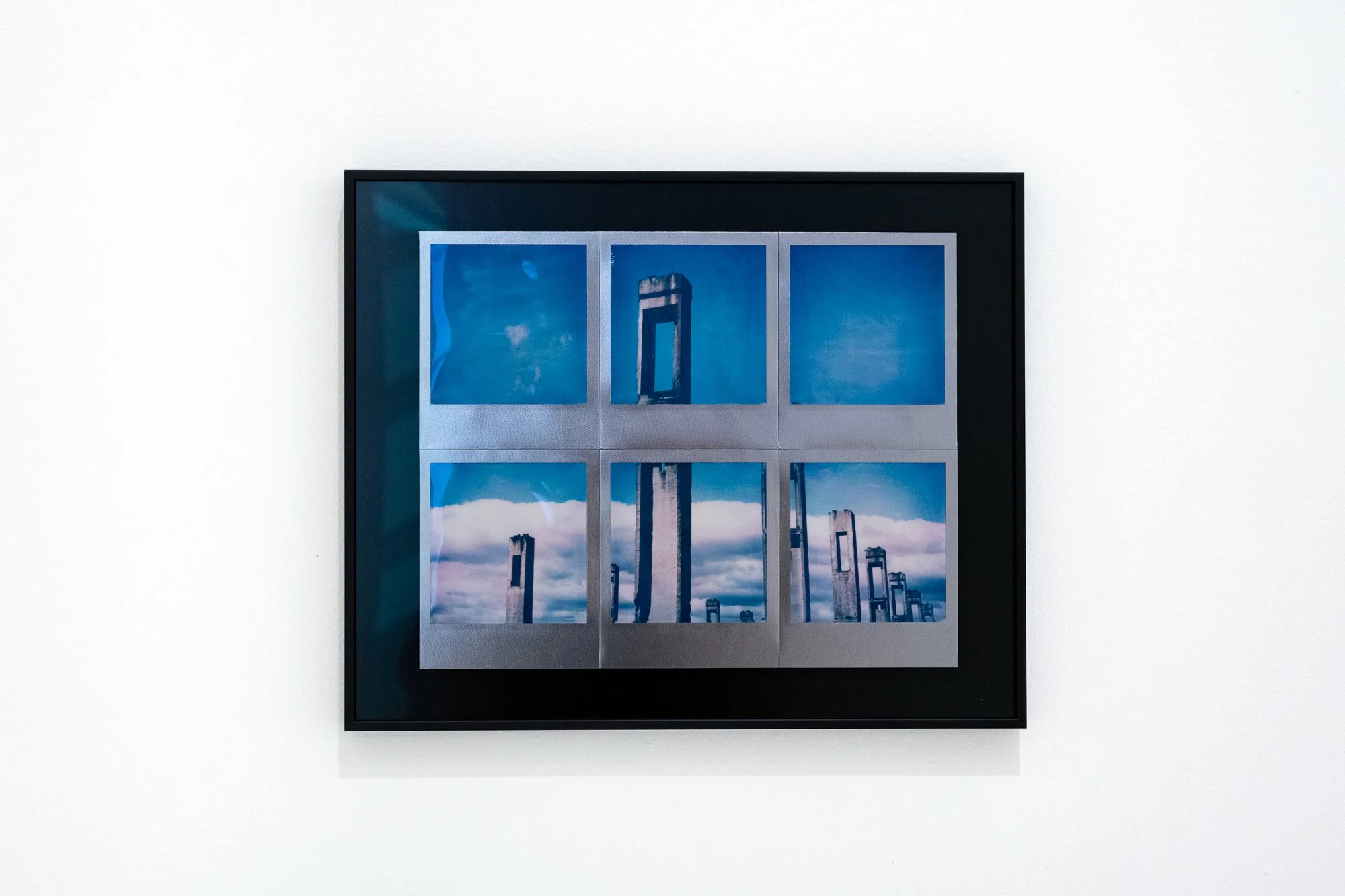
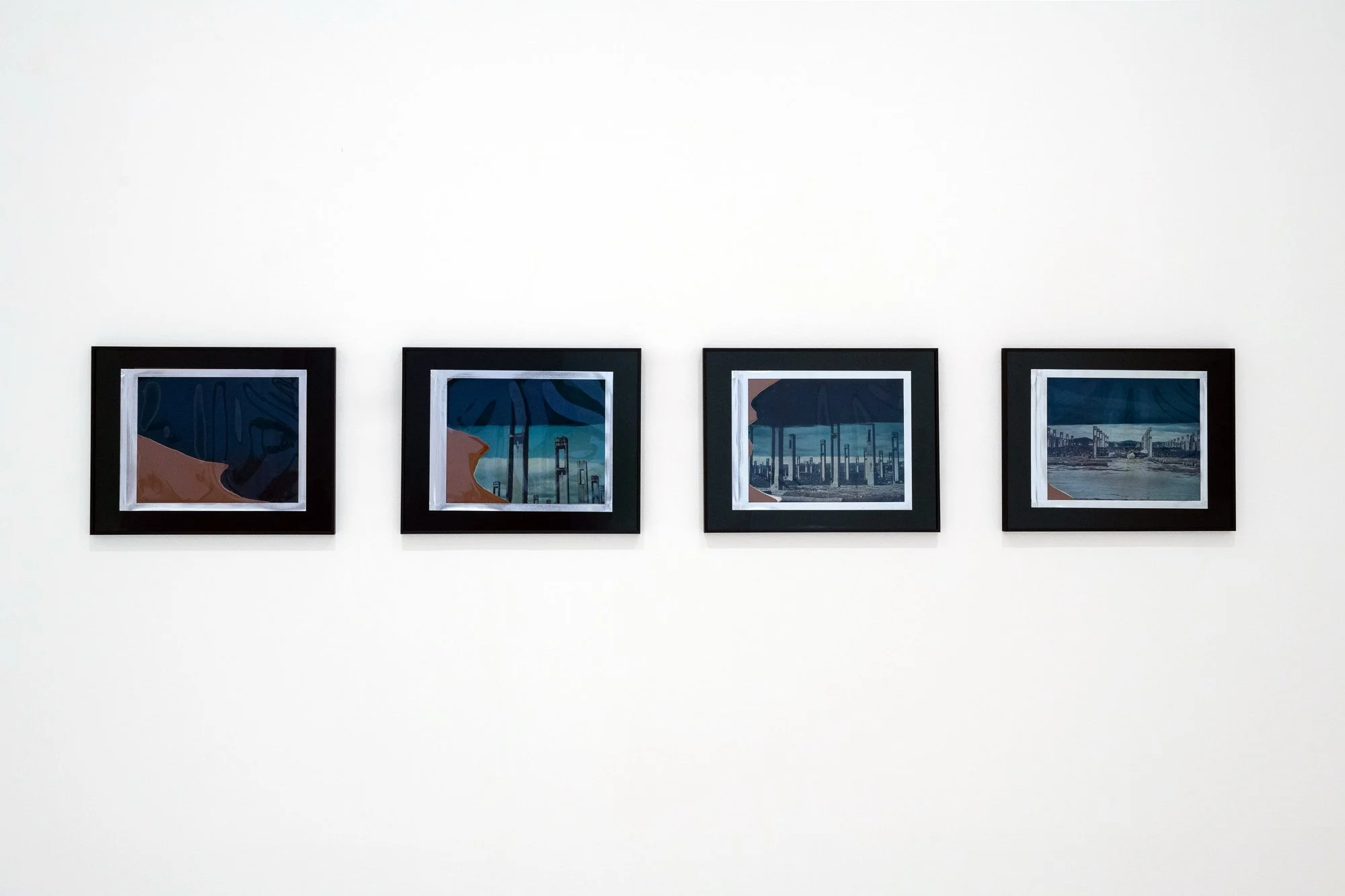
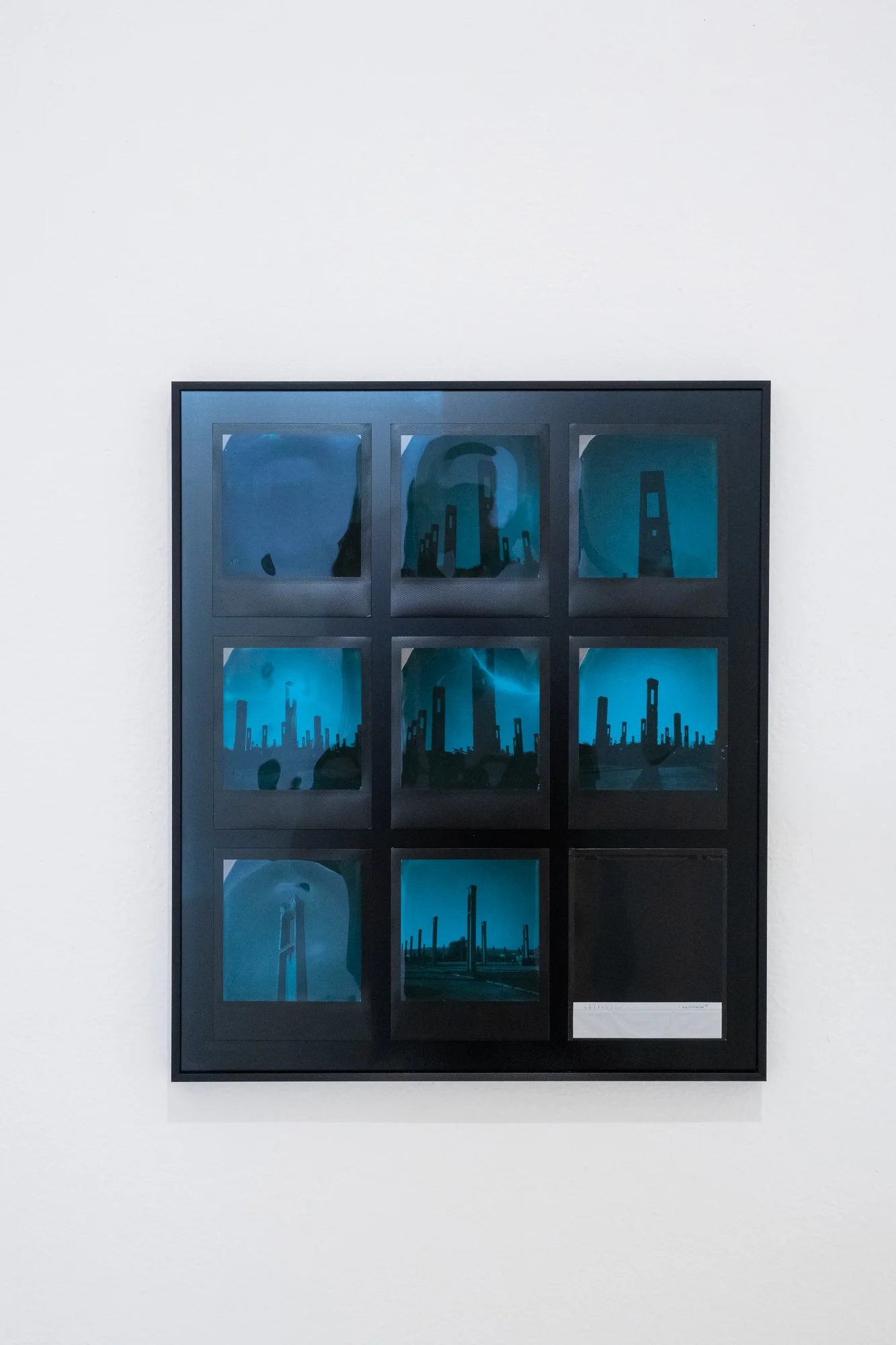
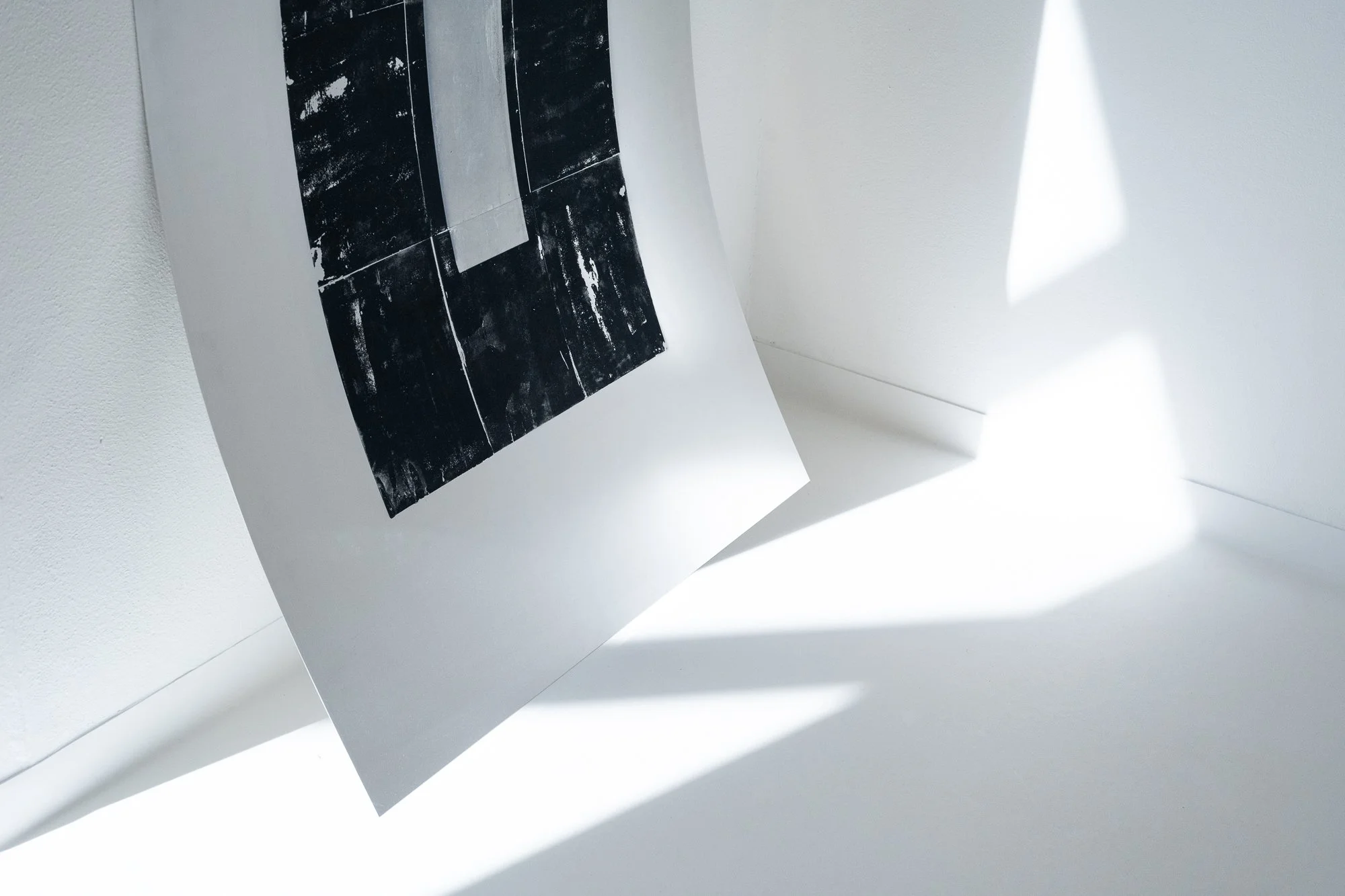
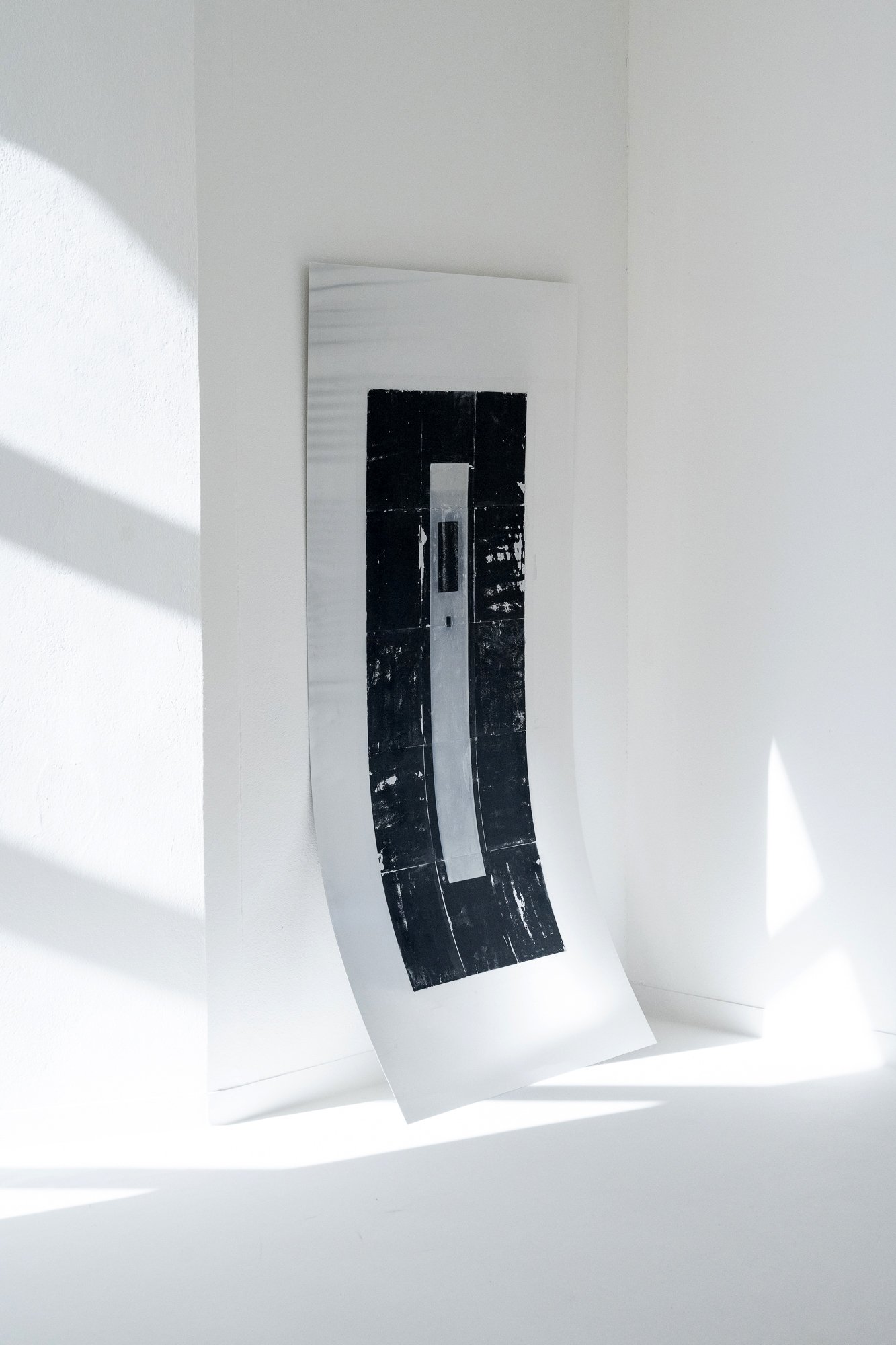
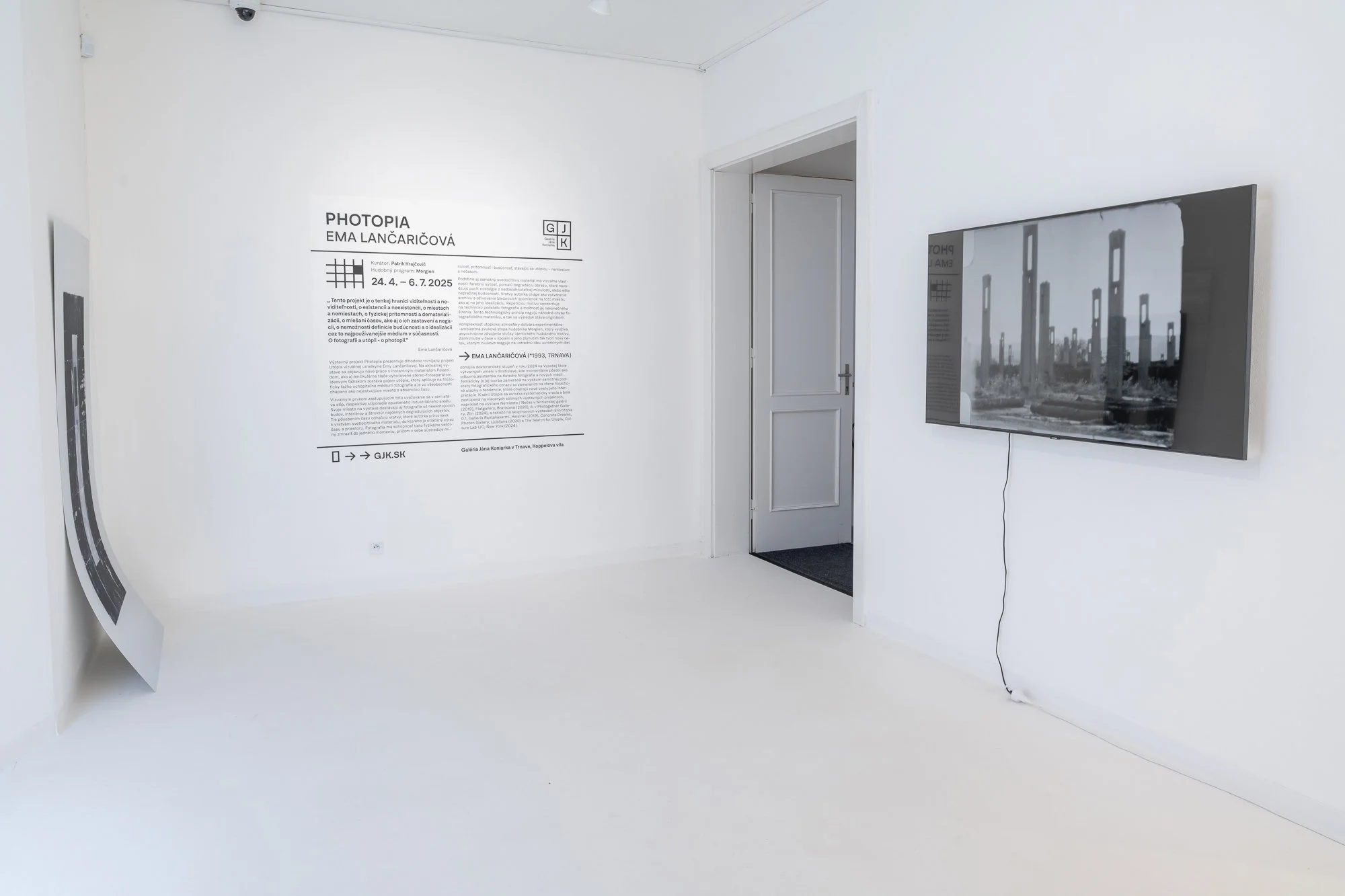
About the project
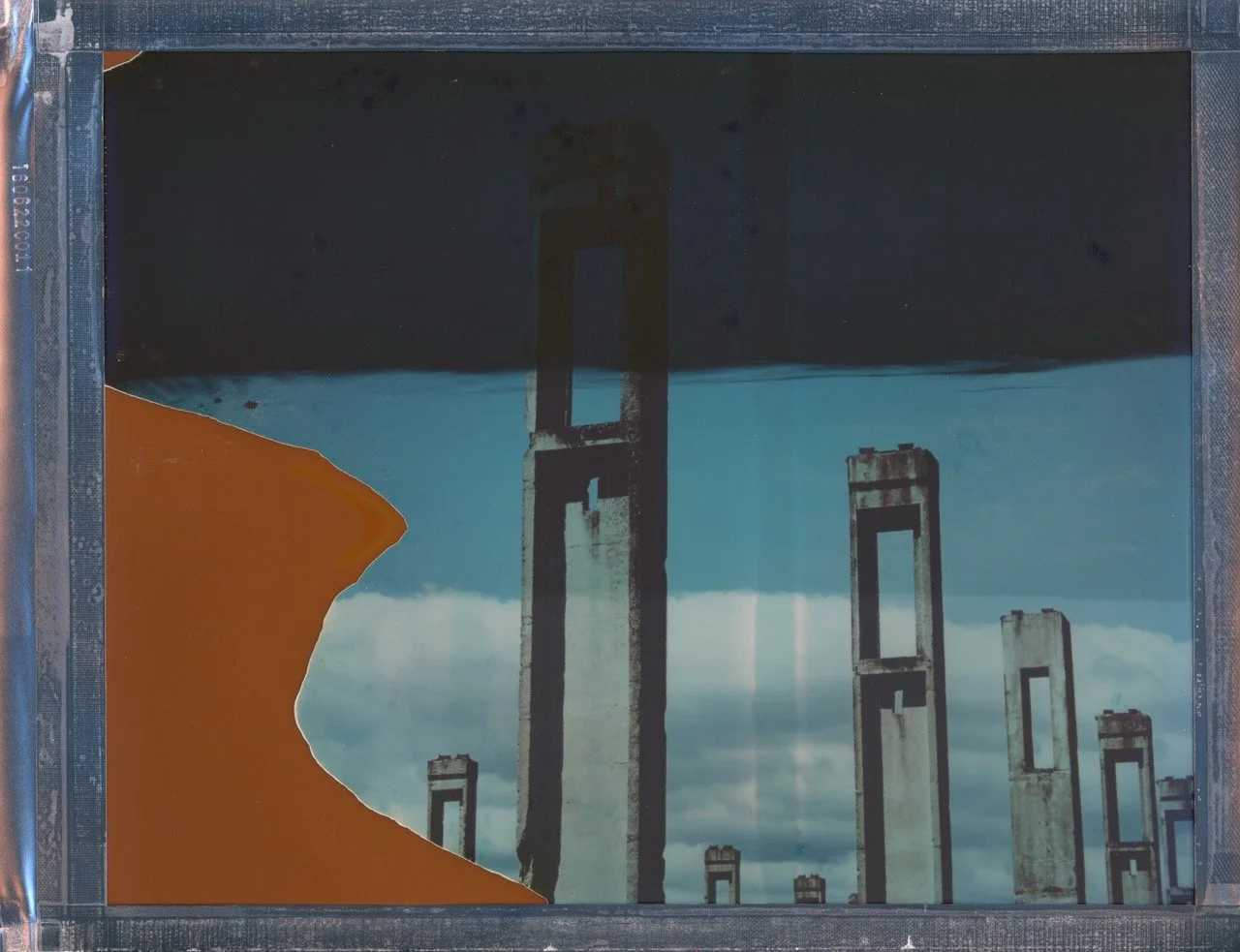
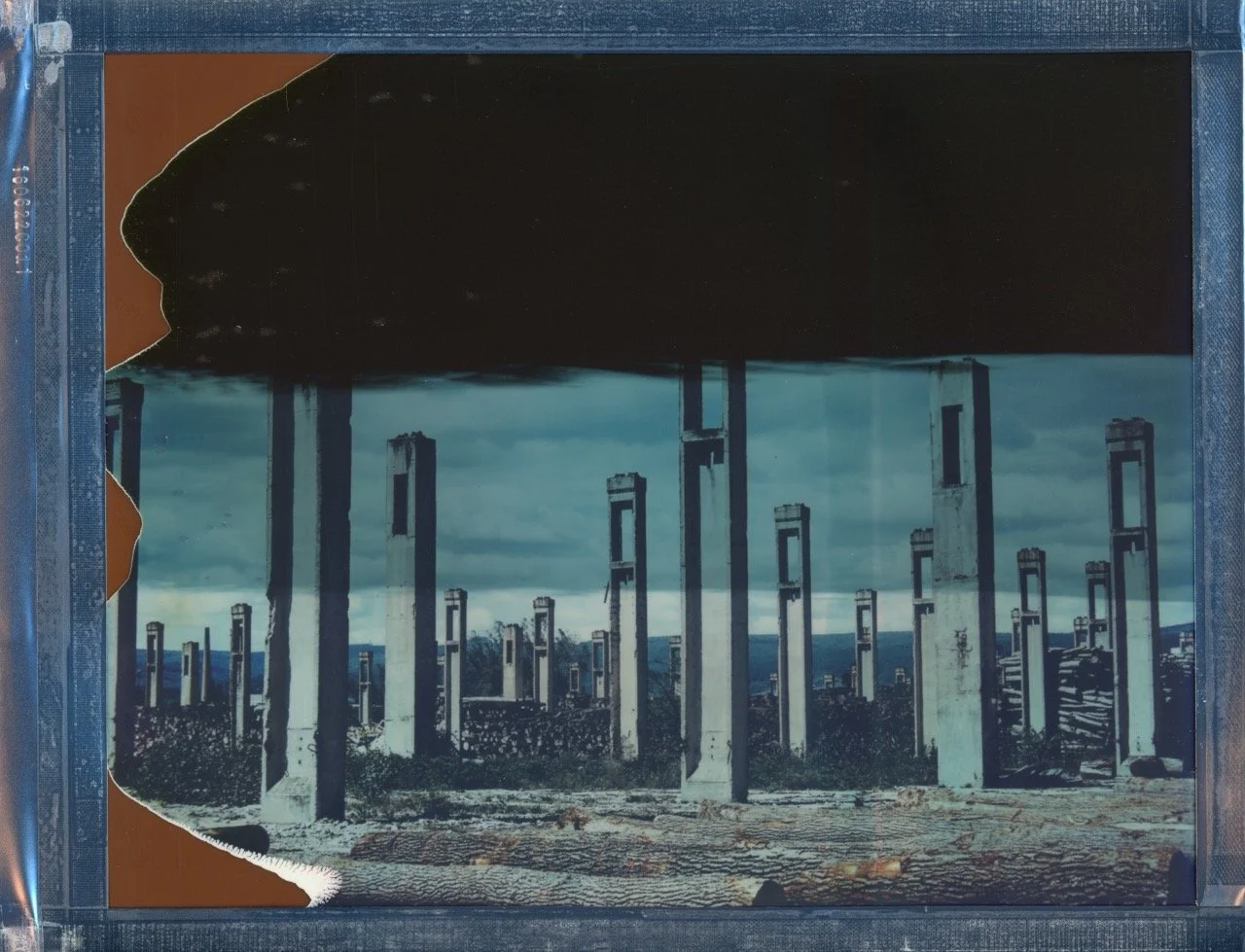
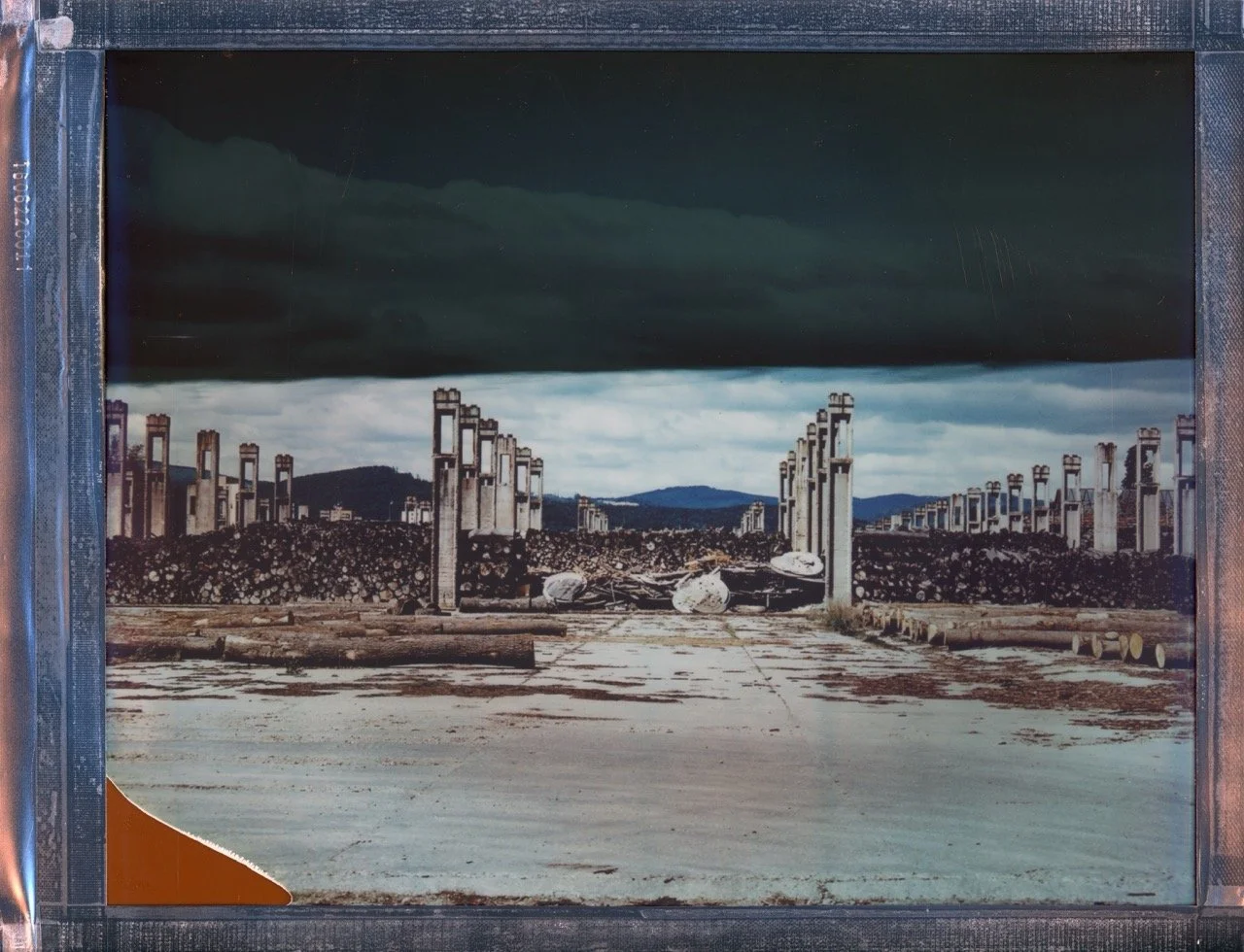
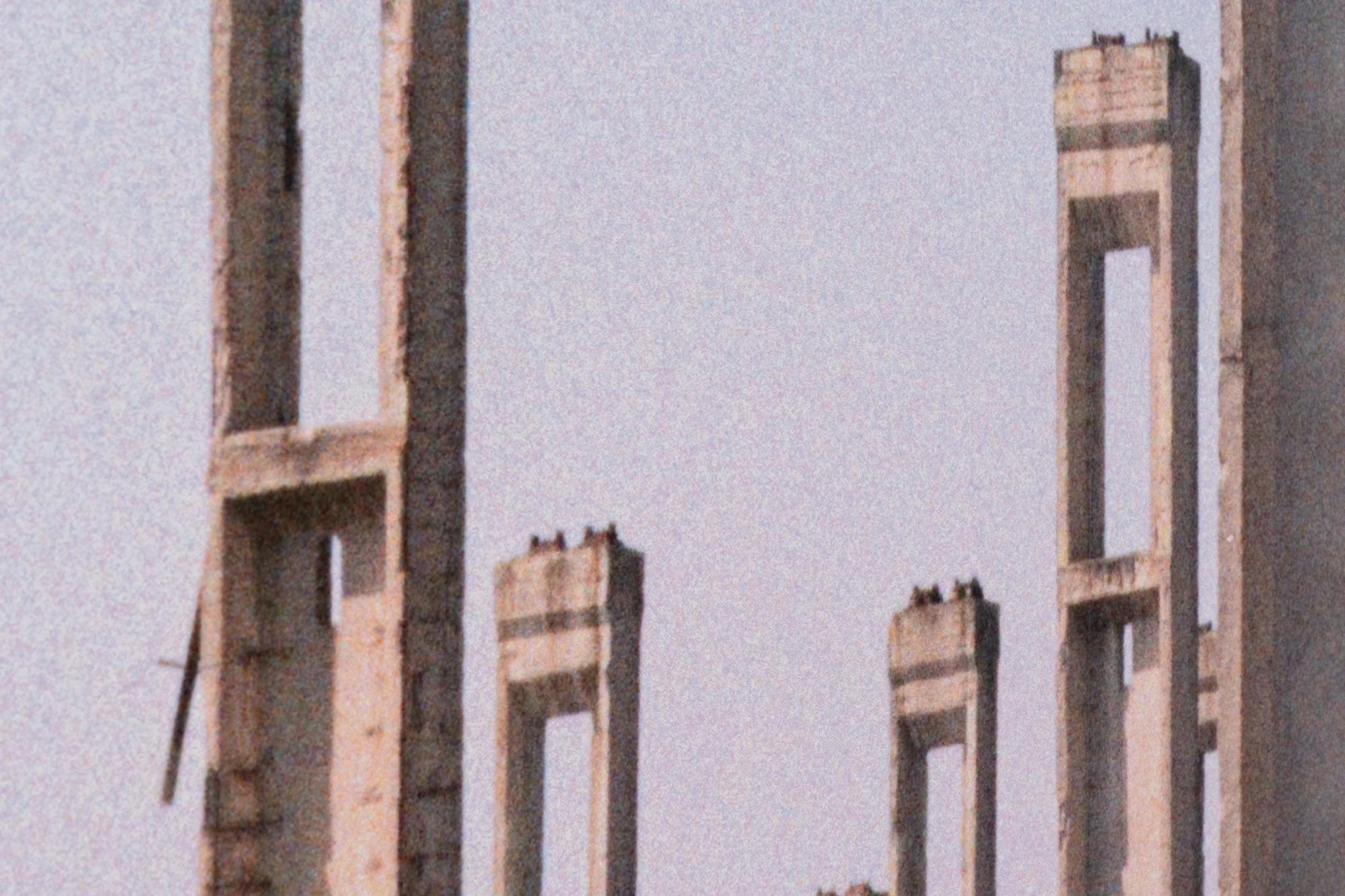
Photopia is a long-term artistic research project investigating post-industrial ruins as sites where presence and absence, utopia and dystopia intersect. The project began in 2016 when I discovered an abandoned post-industrial colonnade, which I returned to repeatedly over the following years, photographing its gradual transformation and disappearance. These concrete phantoms function as temporal thresholds—fragments suspended between what a place once was, what it has become, and what it might still become.
The title combines photography with utopia—from the Greek ou (not) and topos (place)—and proposes the photographic image itself as a kind of non-place. Rather than documenting the architecture systematically, I use the site as a testing ground for how photography constructs, preserves, transforms, and ultimately replaces our experience of a place. As the physical site changes and gradually disappears, its photographic counterpart keeps expanding.
This transformation embeds the tension between utopia and dystopia. The site belongs to a wider landscape of post-industrial ruins across the former Eastern Bloc, where architecture once associated with modernization, progress, and imagined futures now persists as material remnants of radically altered political and social realities. These concrete phantoms carry a tension between collective hope and historical trauma, between the futures once projected onto them and the histories that subsequently unfolded. As ruins, they become temporal thresholds: tangible fragments of history that continue to occupy the present by inviting speculative reinterpretations of both past and future.
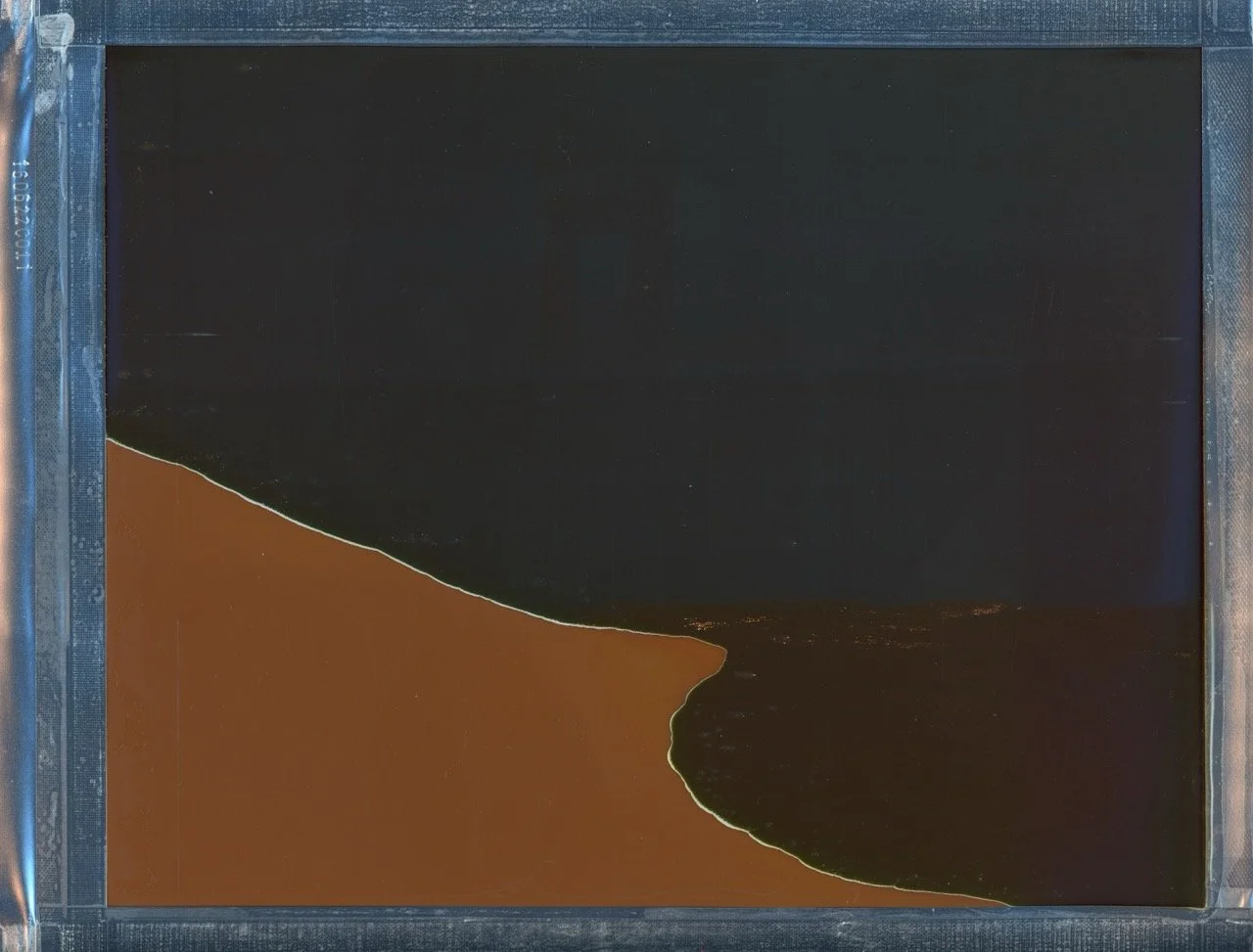
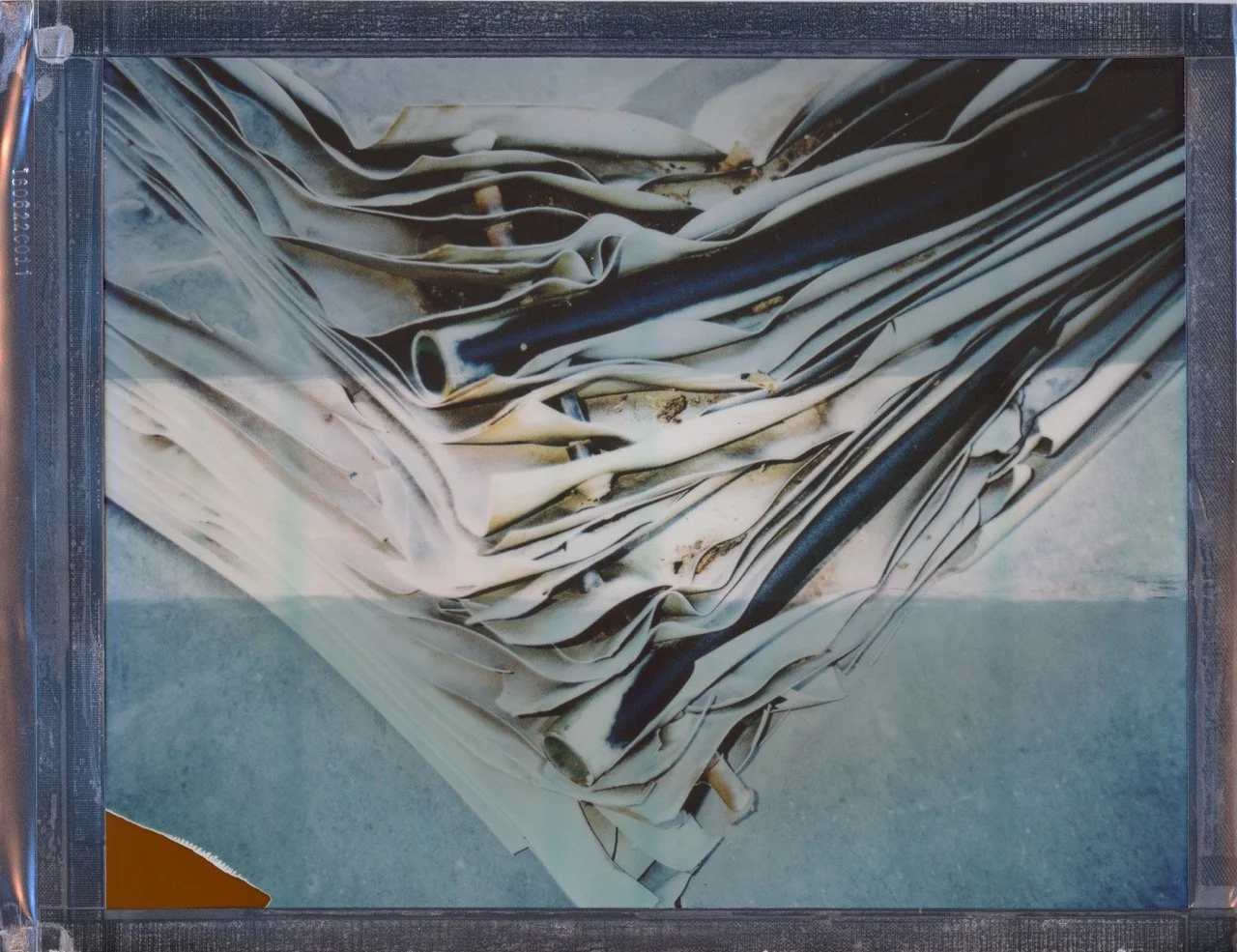
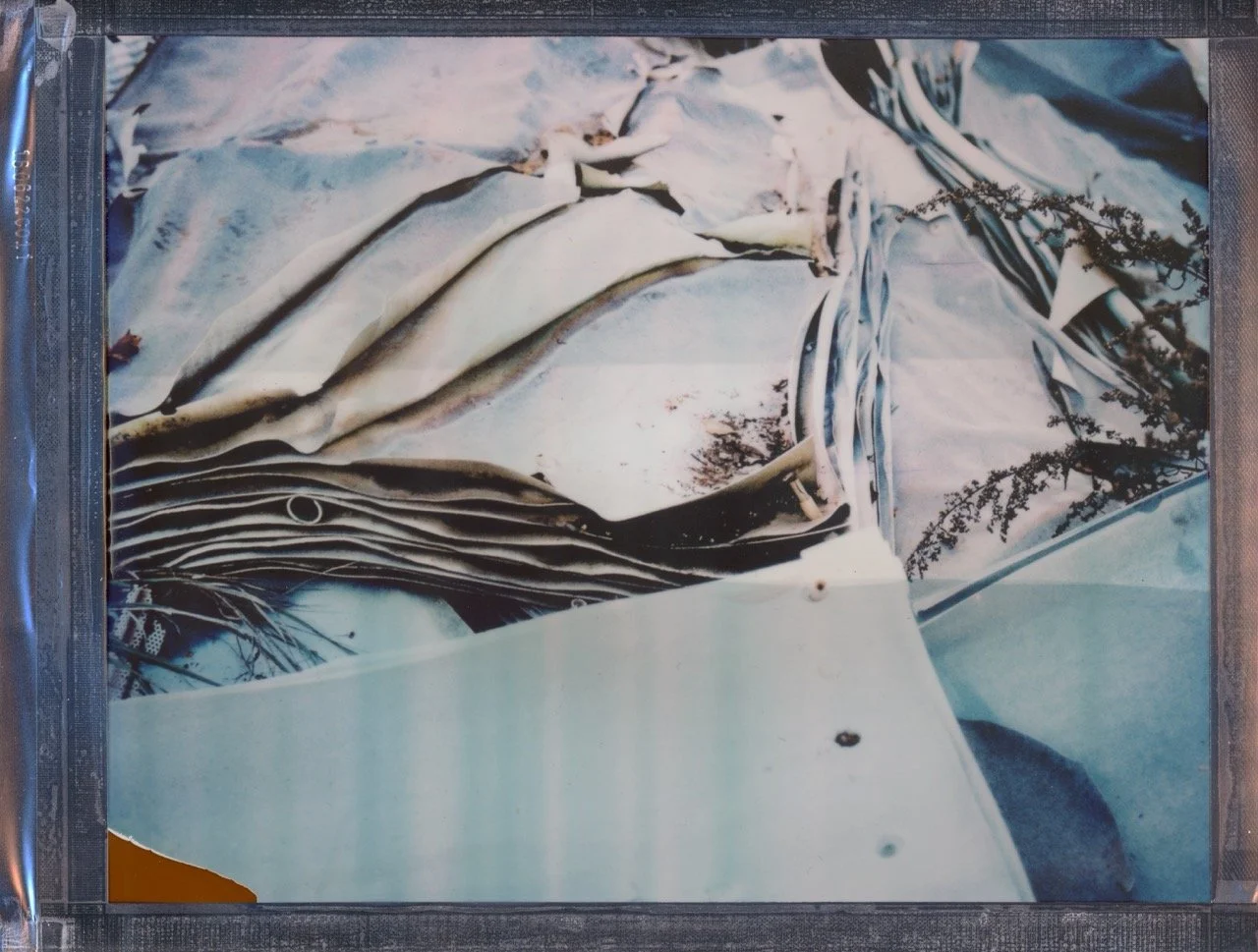
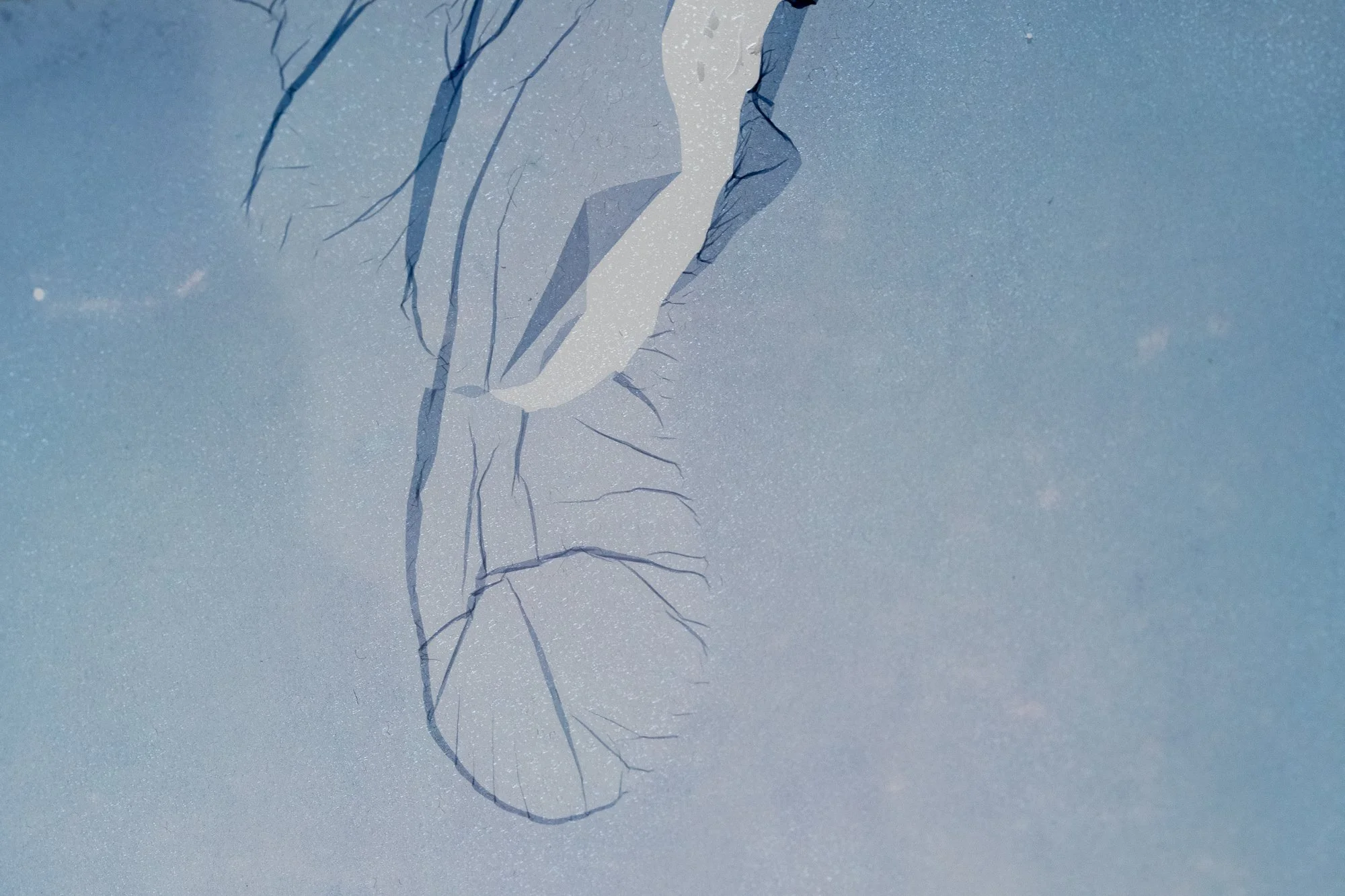
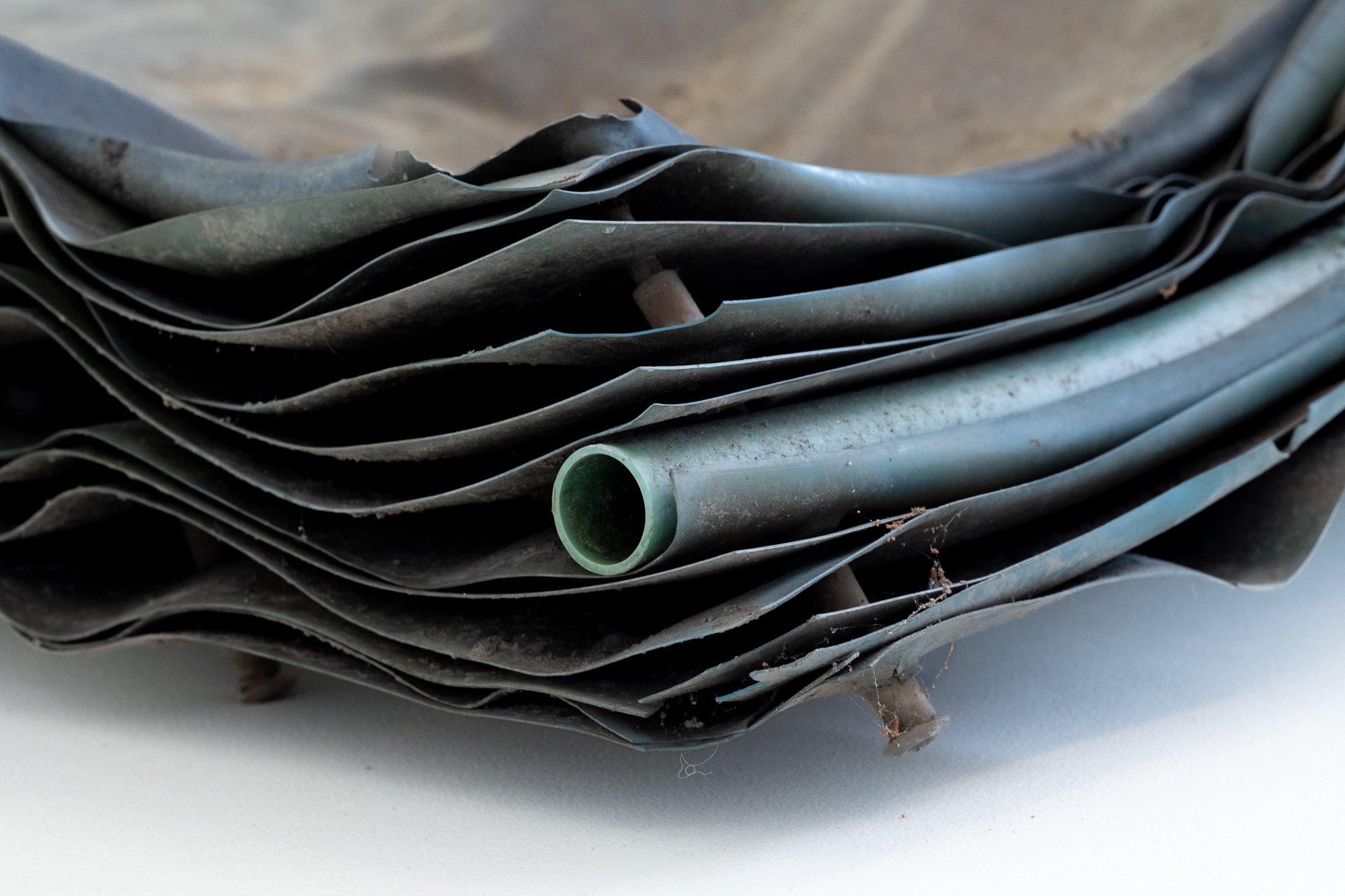
Photography enters this unstable territory as another form of preservation that can never be complete. Throughout the project, the same environment is translated through different photographic technologies and material conditions, including Polaroid and analog photography, 8mm film, stereoscopic images, lenticular prints, and spatial objects. Each process produces a different relation to time, space, materiality, and perception. Photography therefore does not function as a neutral record of what was present, but as an apparatus that continuously reconstructs the place it attempts to preserve.
This process gradually shifts the project from documentation towards an archaeology of both place and photographic image. The instability of its representations accompanies the site's disappearance: analog materials age, instant photographs change, and images are reproduced, enlarged, fragmented, spatialized, and transferred between media. What initially appears to preserve the site simultaneously demonstrates the instability of photographic preservation itself.
Photopia emerges from this paradox. Photography promises to save something from disappearance, yet it can do so only by removing it from the continuity of lived time and transforming it into an image. Both the ruin and the photograph become thresholds between presence and absence: the ruin carries the traces of a future that never fully materialized, while the photograph carries the trace of a present that has already disappeared.
Rather than understanding photography as a fixed trace of the past, Photopia considers it as a mutable space in which different temporalities coexist. The physical site may disappear, the materials carrying its images may deteriorate, and the technologies through which it is perceived may become obsolete. Yet, photography continues to produce new forms of presence from these processes of loss. Photopia is therefore not an attempt to reconstruct a vanishing place, but an examination of photography as a speculative space between utopia and dystopia, preservation and disappearance, memory and transformation.
Selected exhibitions
2025 Photopia, Galéria Jána Koniarka, Trnava, Slovakia
2025 Matrix-Ost, Museum Kesselhaus Herzberge, Berlin, Germany
2025 Utopia, Turčianska galéria, Martin, Slovakia
2024 Utopia, Photogether Gallery, Zlín, Czech Republic
2024 The Search for Utopia, Culture Lab LIC, New York, USA
2024 Utopia, Paradajs Photo Fest, Banská Štiavnica, Slovakia
Publication
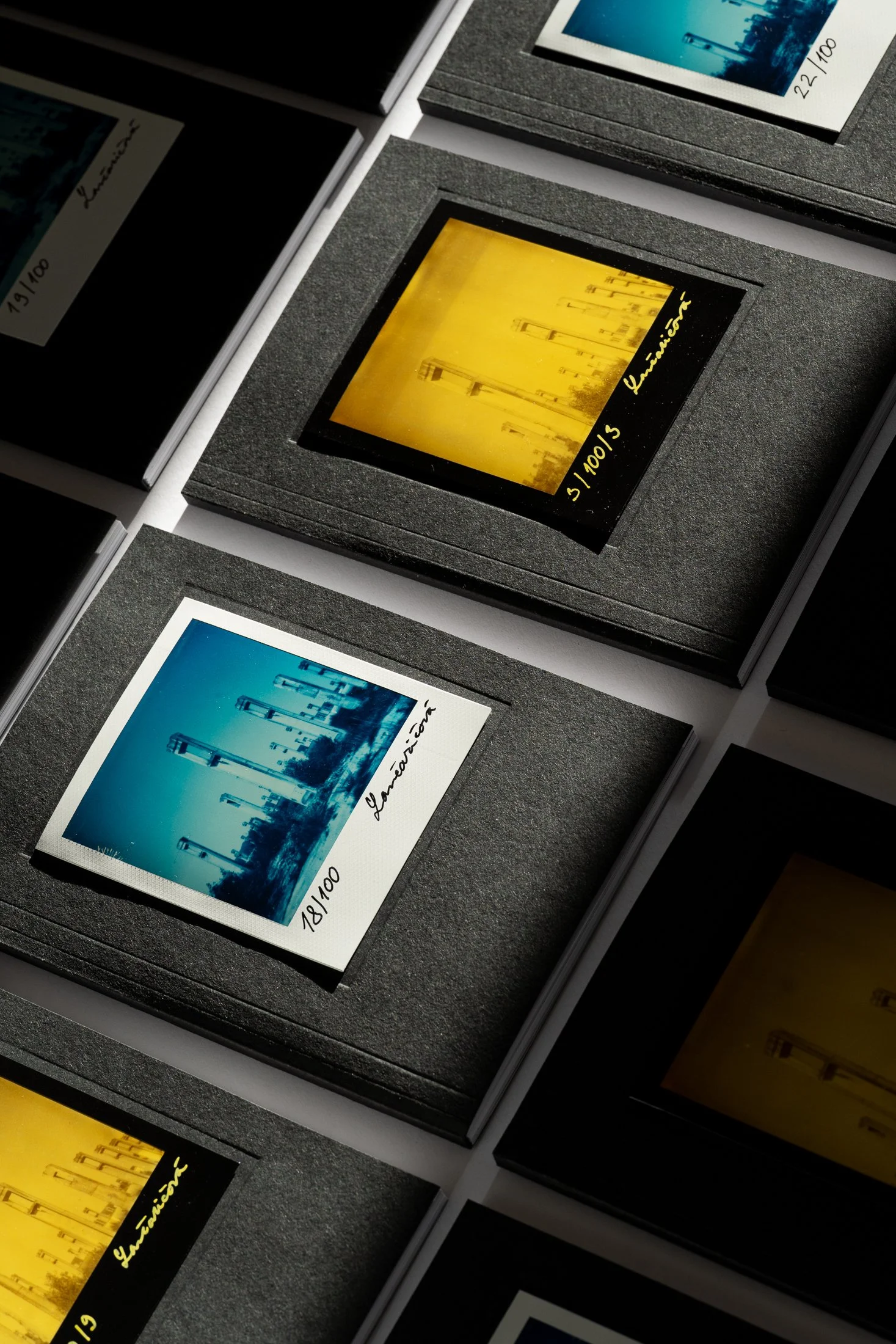
PHOTOPIA. THE FINAL EXPOSURE
Texts: Patrik Krajčovič (text Photopia), Ema Lančaričová
Graphic design: Ervín Gejdoš
Photography: Ema Lančaričová
Load: 100 pcs
Publisher: Jan Koniarek Gallery in Trnava, 2025
ISBN 978-80-69067-05-9
Limited edition 1-16/100 - Yellow duochrome Polaroid
17-100/100 - Blue Reclaimed Polaroid
Selected press & features
Symposium 4th Work in Context, MOME Buapest, Hungary – presentation of Concrete Phantoms: Photography at the Edge of Presence – PHOTOPIA
Journal of Black Mountain College Studies vol. 17: Concrete Phantoms: Photography at the Edge of Presence – PHOTOPIA
See:Zeen_Interview Photopia
Paradajs Photo Mag - Photoreport
Paradajs Photo Mag - Artist Profile
Rovijn Photo Days: Finalist
Elswhere - A journal of a Place
Analog Forever Magazine - Remnants - online exhibition
Fototeka Sequence 01
Zinobraní II. Teleport Prague